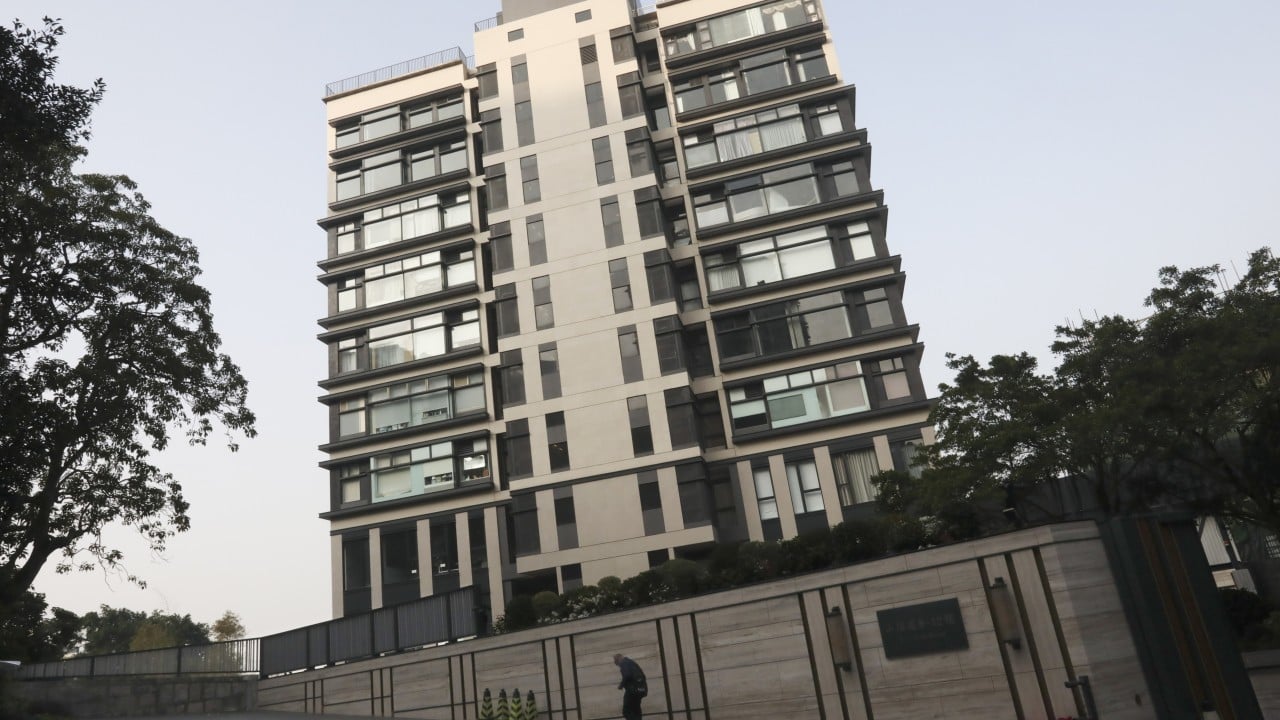
The headlines are chirping again. Two luxury villas in Hong Kong just swapped hands for US$41 million. The "market sizzle" is back, or so the brochures say. Brokers are popping champagne, and the financial press is busy dusting off the recovery narrative.
They are wrong. They are dangerously, mathematically wrong.
Selling two houses at a price point that wouldn't even buy a mid-tier penthouse in 2018 is not a sign of "sizzle." It is a sign of a fire sale disguised as a prestige transaction. We are witnessing the slow-motion liquidation of a legacy asset class, and if you are reading the mainstream tea leaves, you are likely the liquidity someone else is looking for.
The Myth of the Rebound
The prevailing sentiment suggests that because the Hong Kong government scrapped the New Residential Stamp Duty (NRSD) and other cooling measures, the floodgates have opened. They point to these high-ticket transactions as proof of life.
Here is the reality: Volume does not equal value.
When you see a US$41 million sale in 2026, you aren't seeing a market finding its footing. You are seeing a capitulation. Peak-market buyers are finally accepting that the 30% haircut they took over the last few years isn't a temporary dip. It is the new floor. Wealthy families are offloading assets to diversify into Singapore, Dubai, or the US. They aren't selling because they want to; they are selling because the carry cost of holding dead weight in a high-interest-rate environment has become untenable.
The "sizzle" is actually the sound of a falling knife hitting the floor.
Why the Stamp Duty Cut is a Trap
For years, the narrative was simple: "The government is suppressing demand with taxes. Once the taxes go, the market flies."
The taxes went. The market stayed on the ground.
Removing the stamp duty was a desperate move to inject artificial adrenaline into a heart that has stopped beating. It lured in "bottom fishers"—the type of investors who prioritize a tax saving over a fundamental valuation.
If you buy an asset purely because the entry tax dropped from 15% to 0%, you have ignored the fact that the underlying asset is still depreciating at 5% annually. You didn't save money. You just subsidized your own loss.
The Yield Math Is Broken
Let's look at the numbers that the glossy magazines ignore. The gross rental yield for luxury properties in Hong Kong hovers around 2% to 2.5%.
Compare that to a risk-free US Treasury yield. Or even a high-yield savings account.
Why would any rational institutional investor lock up US$20 million in a physical asset with high maintenance costs, political risk, and zero liquidity, only to earn half of what they could get from a bond?
The answer is they wouldn't. The only people buying these "sizzling" properties are:
- End-users who don't care about ROI.
- People who need to move capital across borders quickly.
- Speculators who still believe it’s 2012.
If you aren't in the first two categories, you are the exit strategy for the smart money.
The Illusion of Scarcity
The "Land is Limited" argument is the most tired trope in the Hong Kong playbook.
"They aren't making any more of it," the agents whisper.
True. But they are making more of it elsewhere. Wealth is mobile. The billionaire class that once viewed a Peak address as a mandatory social credential now views it as a geopolitical risk. When the demand side of the scarcity equation evaporates, the limited supply becomes a surplus.
There are currently hundreds of luxury units sitting vacant or quietly listed "off-market" because owners are terrified of setting a new, lower price benchmark. These two sales for US$41 million? They represent the brave—or desperate—few who were willing to accept the reality of the 2026 valuation.
The China Factor
We cannot talk about Hong Kong without talking about the mainland. The era of the "Mainland Whale" is over.
The regulatory environment in China has shifted from wealth accumulation to wealth redistribution and stability. The days of a tech mogul or a real estate tycoon from Shenzhen dropping US$100 million on a Mount Nicholson property to "park" cash are gone.
Mainland buyers are now under immense scrutiny. They are looking for safety, not status. And right now, "safety" looks like a diversified portfolio of global equities, not a highly visible villa in a jurisdiction that is increasingly synchronized with the mainland's economic cycles.
Stop Asking if the Market has Bottomed
People always ask: "Is now the time to buy?"
It is the wrong question. The question should be: "What is the opportunity cost of this capital?"
Even if the Hong Kong market stops falling, it is unlikely to outperform other global hubs over the next decade. We are in a structural transition, not a cyclical one. The city is redefining its role in the global economy, and until that identity is settled, real estate is a speculative bet at best.
The Actionable Truth
If you are an owner, stop waiting for 2018 prices to return. They aren't coming back. The US$41 million sale you just read about is your warning shot.
If you are a buyer, stop looking at the "discount" from the peak. A 40% discount on a 100% overvalued asset is still a bad deal.
The market isn't sizzling. It's evaporating.
Get out while there is still someone left to buy your "luxury" liability.


