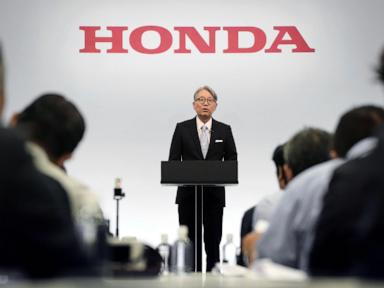
The myth of the friction-less energy transition died today in a Tokyo boardroom. Honda Motor Co., a pillar of Japanese industrial stability for seven decades, just reported an annual operating loss of 414.3 billion yen ($2.63 billion). It is the first time the company has bled red ink since it listed on the stock exchange in 1957. While the headline number is jarring, the autopsy of this loss reveals a deeper, more systemic crisis. This isn't just a story about a bad year; it is a story about the staggering, multi-billion-dollar penalty for being right about the future at the wrong time.
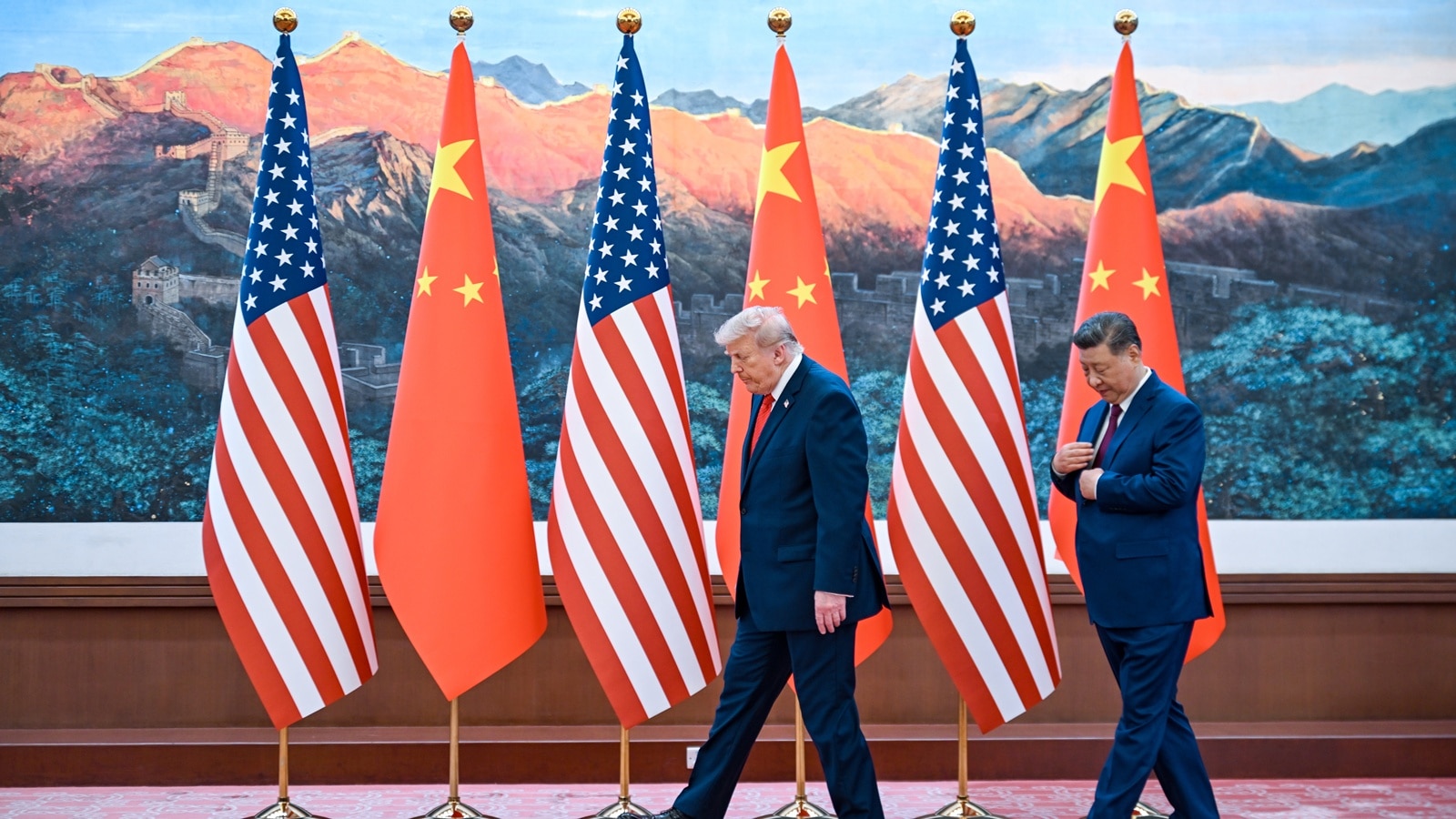
For years, Honda chased an aggressive "all-in" electric vehicle (EV) strategy, pledging to abandon the internal combustion engine entirely by 2040. But as 2026 begins, that roadmap has been shredded. The company is now grappling with the financial wreckage of abandoned factory lines, canceled model launches, and a market that pivoted back to hybrids while Honda’s capital was tied up in batteries. Also making headlines in this space: The Great Decoupling and the Three Billion Dollar Warning From China.
The High Price of Hesitation and Overcorrection
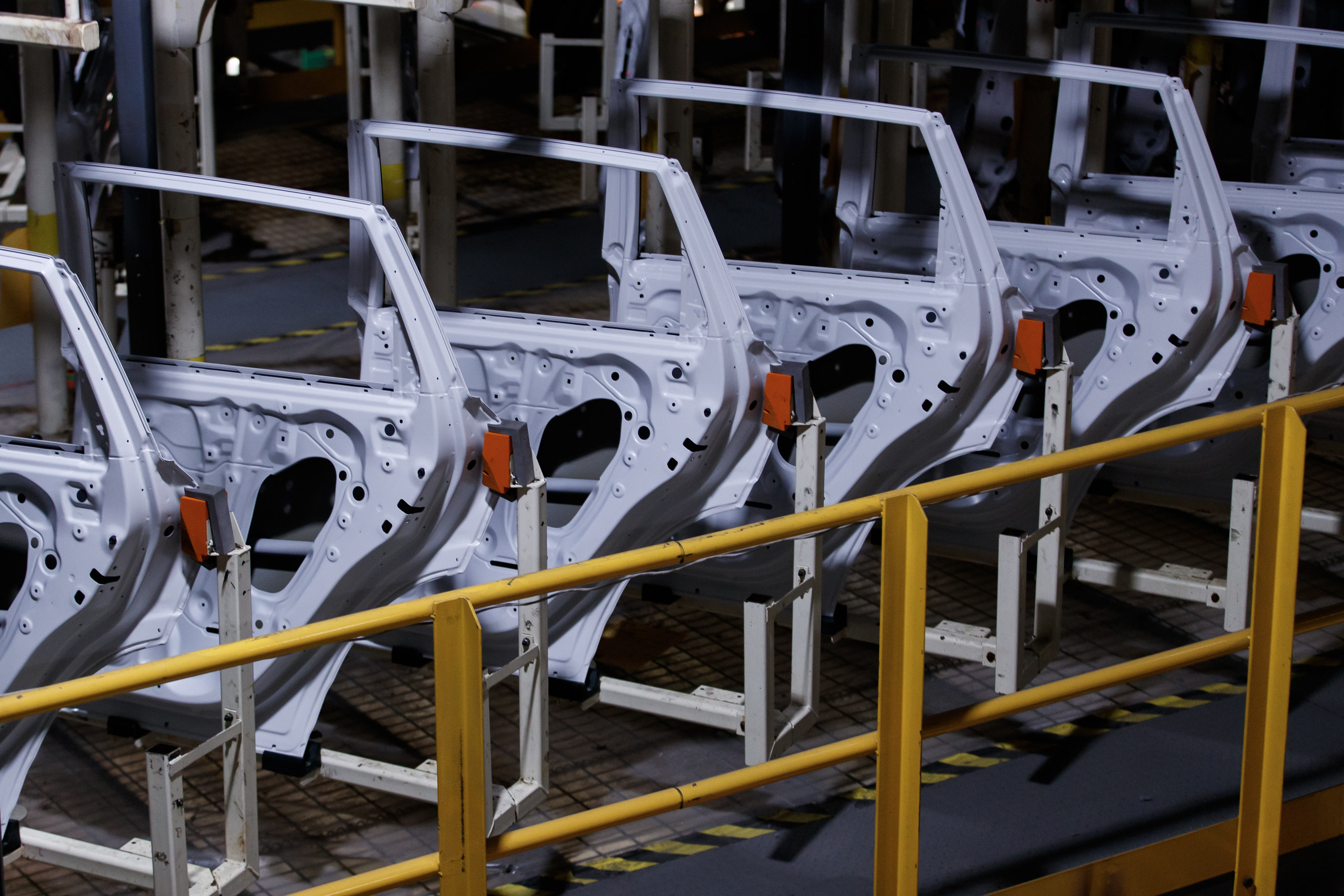
Honda’s predicament stems from a massive 1.45 trillion yen ($9.2 billion) writedown directly linked to its EV pivot. This wasn't a slow leak; it was a structural collapse. To understand the "why," you have to look at the massive investments made in North America—specifically the "EV Hub" in Ohio and the now-frozen $11 billion project in Canada.
When the tides of consumer demand shifted toward hybrids and the U.S. political climate cooled on EV subsidies, Honda was caught in the middle of a massive construction phase. They were building cathedrals for a religion that people were suddenly leaving. By canceling three major EV models—including the highly anticipated 0 Series SUV and an Acura flagship—the company had to immediately write off the costs of molds, R&D, and supplier contracts that were suddenly worthless. Additional insights regarding the matter are covered by The Economist.
The Geopolitical Trap
The loss wasn't fueled solely by bad product timing. Honda’s largest profit center, the United States, became a minefield. The introduction of 15% tariffs on imported components and the sudden repeal of federal EV tax credits under the "Big Beautiful Bill" of 2025 gutted the margins on vehicles like the Prologue.
Honda had relied on a partnership with General Motors to jumpstart its EV presence. When that partnership cooled and Honda decided to go its own way, it incurred massive "compensation fees" to GM for reduced component orders. It was a classic "buy high, sell low" scenario. They paid for the privilege of ending a partnership that was no longer viable, adding hundreds of billions of yen to the deficit.
The Sony Afeela Ghost
Nothing illustrates the chaos of the last 24 months better than the collapse of Sony Honda Mobility. The Afeela, once touted as a "smartphone on wheels," is now essentially a ghost project. In March 2026, the joint venture halted development, citing a lack of "viable paths to commercialization."
Honda realized too late that the specialized tech required for a software-defined vehicle like the Afeela was consuming R&D resources that were desperately needed to shore up its struggling ICE and hybrid business in China. In the Chinese market, sales have plummeted by 50% over the last five years. While Honda was dreaming of high-tech EVs with Sony, domestic Chinese brands like BYD were eating their lunch with affordable, efficient hybrids.
The Motorcycle Lifeline
If there is a hero in this wreckage, it wears two wheels. Honda’s motorcycle division remains a cash-printing machine, moving a record 22.1 million units this past year. Without the 731.9 billion yen in profit from bikes, the company’s consolidated loss would have looked like a total catastrophe rather than a strategic reset.
"Excluding EV-related losses, we were profitable," the company stated in its earnings release.
This is technically true, but it’s cold comfort for investors. It highlights a company living two lives: one as the global king of low-cost, high-margin combustion motorcycles, and another as a struggling, late-arrival contender in the high-stakes EV space.
The Pivot to Hybrid Reality
The action plan for 2027 is a total retreat to familiar ground. CEO Toshihiro Mibe has officially shelved the 2040 all-electric goal, replacing it with a "flexible" strategy centered on 15 new next-generation hybrid models. This is where the industry is moving. Toyota, once criticized for its skepticism of pure EVs, now looks like the smartest player in the room. Honda is essentially paying a $10 billion "tuition fee" to learn the lesson Toyota learned years ago: the transition is a marathon, not a sprint.
The company expects to return to a 500 billion yen profit next year, but the scars will remain. They are still anticipating another 500 billion yen in EV-related losses as they wind down remaining contracts. Honda isn't giving up on electricity, but it is no longer willing to go bankrupt chasing a 20% sales target that the market clearly isn't ready to meet.
This first-ever loss serves as a warning to the entire sector. If a company as disciplined and well-capitalized as Honda can be humbled by the EV transition, nobody is safe. The "land of the rising sun" is finding that the dawn of the electric era is a lot colder, and much more expensive, than anyone cared to admit.
The path forward is no longer about who has the best battery; it’s about who can survive the bill for the batteries they never should have ordered.