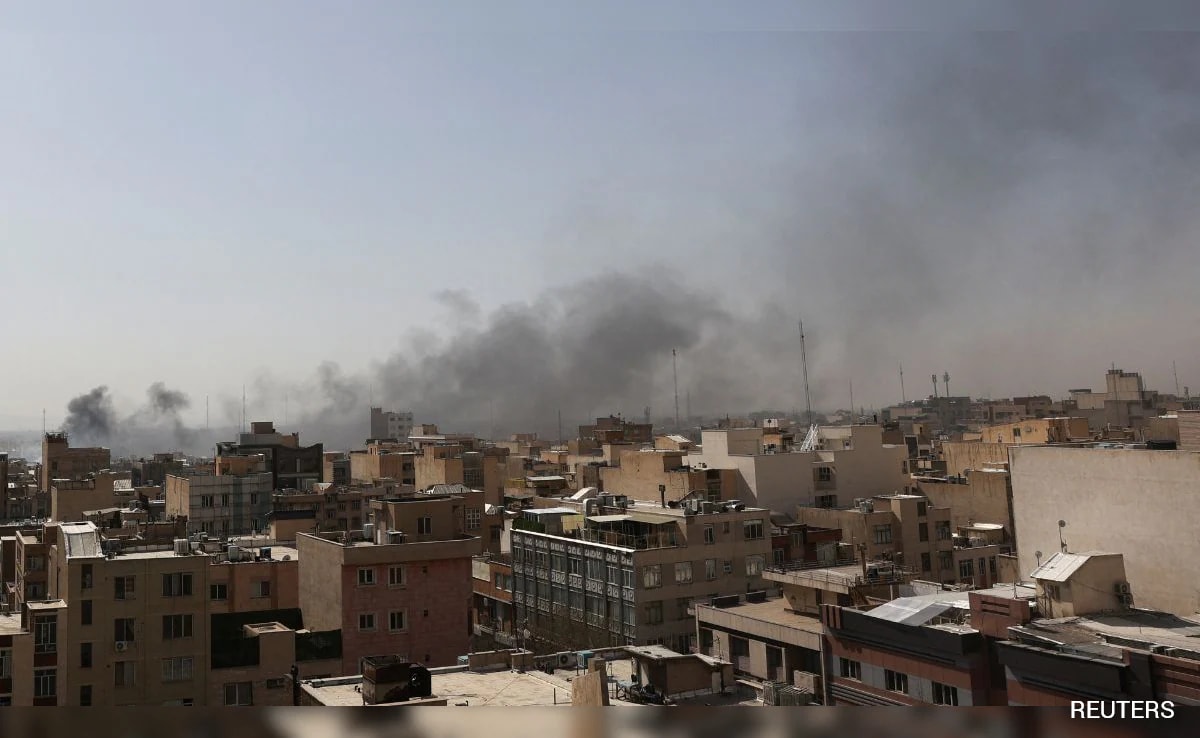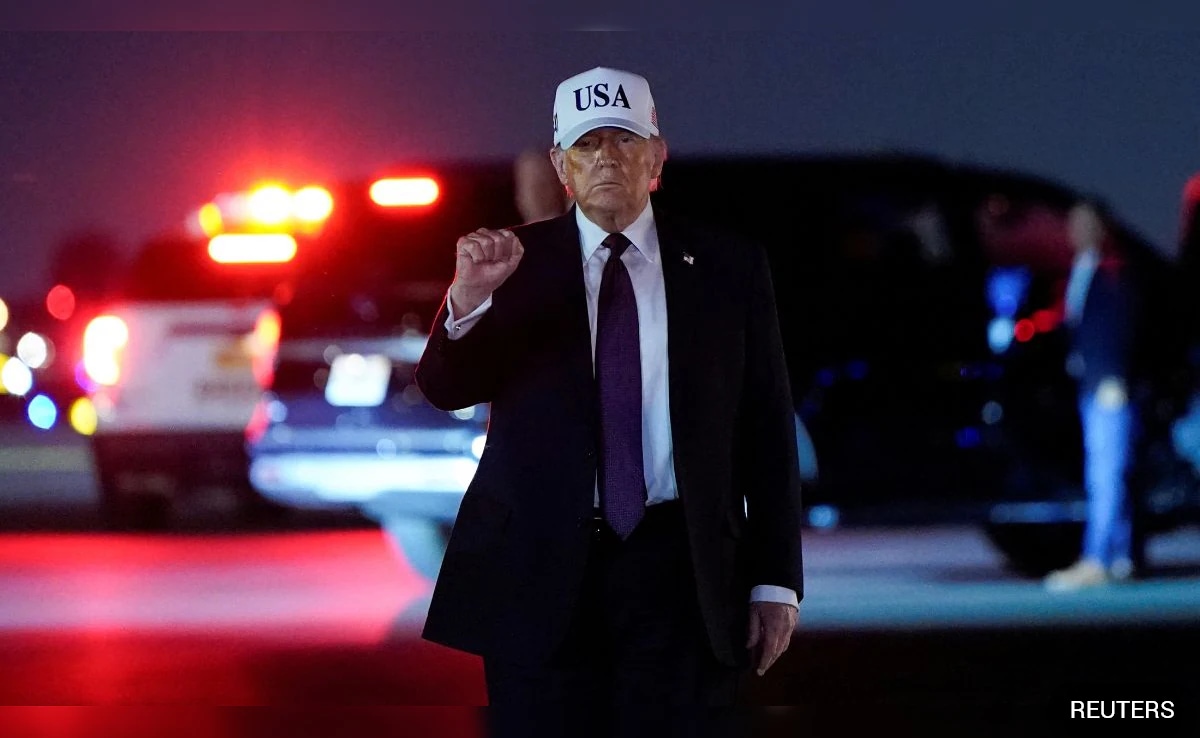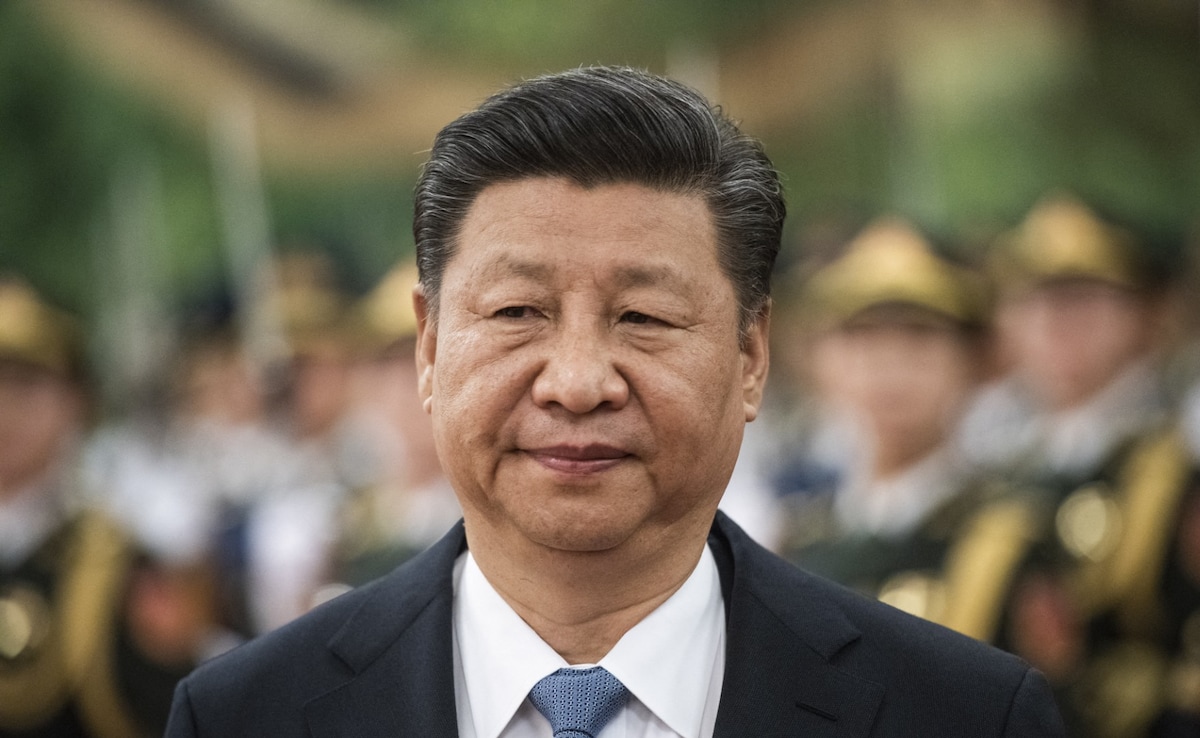
The air in the Situation Room doesn't smell like revolution. It smells like stale coffee and the ozone hum of high-end encryption. On the screens, Tehran is a thermal map of heat signatures and erratic movements, a city holding its breath or perhaps waiting to exhale a scream. Ali Khamenei, the man who held the tether of the Islamic Republic for decades, is dead. The "Supreme" is gone. Yet, inside the halls of American power, there is no popping of champagne corks. There is only the clinical, cold weight of skepticism.
Washington knows that a vacuum is rarely filled by light.
To understand why U.S. officials are staring at the fall of a titan with such grim faces, you have to look past the headlines of "Regime Change" and into the narrow, crowded alleys of the Grand Bazaar or the brutalist corridors of the Evin Prison. Think of a man named Javad—a hypothetical shopkeeper, but one whose reality is mirrored by millions. Javad has spent forty years under the shadow of the clerics. He has seen the morality police vanish his neighbors. He has watched the rial lose its value until a loaf of bread felt like a luxury. When the news of Khamenei’s death broke, Javad didn't run into the street to dance. He went home, locked his deadbolt, and checked his grain supply.
He knows what the analysts in D.C. know: the beast is most dangerous when it is headless and panicked.
The Architecture of the Iron Fist
The mistake we make in the West is viewing the Iranian government as a single pillar that can be toppled. It is not a pillar. It is a root system. Khamenei was the visible trunk, but the Islamic Revolutionary Guard Corps (IRGC) is the soil, the water, and the thorns. This is a multi-billion-dollar conglomerate with an army attached. They own the ports. They own the telecommunications. They own the shadow economy that keeps the country breathing under the weight of global sanctions.
When a dictator falls, we expect a "Berlin Wall" moment. We want the sledgehammers and the singing. But the IRGC doesn't see a transition of power as a political shift; they see it as an existential threat to their bank accounts and their lives. They aren't going to hand over the keys to a democratic reformist because a ninety-year-old man’s heart stopped beating. They are going to tighten the grip until the knuckles turn white.
U.S. intelligence officials aren't being cynical; they are being historians. They remember 1979. They remember how a movement for "freedom" was systematically hijacked by the most organized, most ruthless faction in the room. Today, that faction is the Guard. They have spent forty years preparing for this exact Tuesday.
The Myth of the Moderate Savior
There is always a whisper in the State Department about a "moderate" waiting in the wings. It’s a seductive fairy tale. We want to believe there is a Persian Gorbachev hidden in the Assembly of Experts, someone who will pivot toward the West and dismantle the centrifuges.
It is a hallucination.
The system is designed to mulch moderates. Anyone who rose high enough to be a successor to Khamenei had to prove their zealotry ten times over. To be "moderate" in the upper echelons of Tehran is like being "slightly less on fire." You are still part of the conflagration. The vetting process for the Assembly of Experts ensures that only the most ideologically rigid survive. If you aren't willing to sign off on the proxy wars in Lebanon or the crackdowns in Sistan and Baluchestan, you don't get a seat at the table. You get a cell.
The reality is a jagged pill to swallow. The U.S. sees the death of the Supreme Leader not as an open door, but as a narrowing of the hallway. Without Khamenei’s specific, weathered authority to balance the competing factions of the hardliners, the most radical elements are likely to surge forward to prove their strength. Uncertainty breeds aggression. A regime that feels fragile internally often lashes out externally to reclaim its "sacred" purpose.
The Invisible Stakes of the Street
Consider the geography of a riot. It begins with a spark—a death, a price hike, a girl’s headscarf. But for a riot to become a revolution, the military has to refuse to fire. That is the ghost that haunts the White House. Will the rank-and-file soldiers, the young men drafted from the villages, turn their guns away from the students?
The IRGC has accounted for this. They have created a tiered system of domestic repression where the people pulling the triggers are the ones with the most to lose if the system falls. They have tied the survival of the soldier’s family to the survival of the Supreme Leader’s ghost.
This isn't just about politics. It’s about the terrifying physics of power.
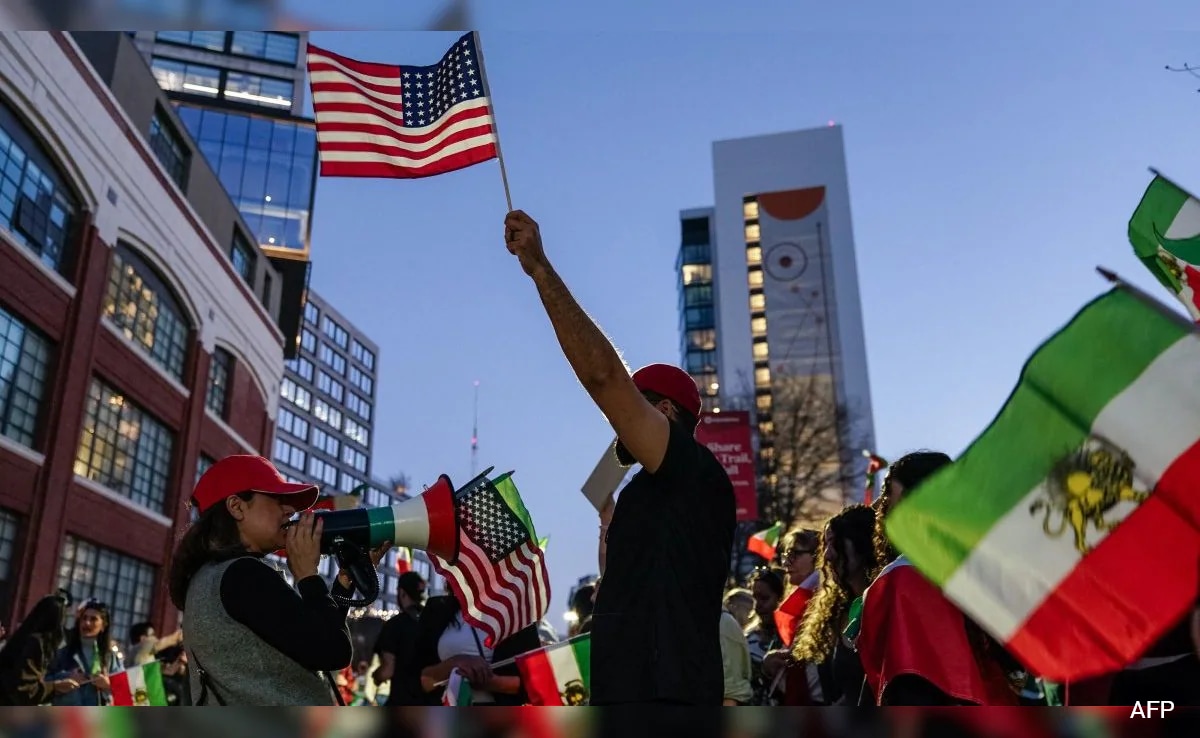
If the U.S. moves too aggressively to "foster" change, it hands the hardliners a gift: the "Foreign Plot" narrative. It allows the IRGC to wrap themselves in the flag and brand every protester a CIA asset. We have seen this play out in 2009, in 2019, and in 2022. The blood dries, the internet comes back on, and the same faces are still on the billboards.
The Strategy of Silence
So, the briefing rooms remain quiet. The public statements are measured, almost boring. This isn't a lack of resolve; it’s the realization that the most powerful thing the West can do is stay out of the way of the Iranian people’s own internal reckoning.
But that reckoning is messy. It’s slow. It doesn't fit into a twenty-four-hour news cycle.
The U.S. skepticism stems from a deep, scarred understanding of how hard it is to kill an idea. Khomeinism isn't just a government; it’s a theological and bureaucratic knot that has been tightened for half a century. You don't untie it by removing the man at the top. You have to dissolve the cord itself.
Behind the closed doors of the Pentagon, they are running simulations. What if the IRGC fractures? What if the Basij militia goes rogue? What if the nuclear program is seized by a hardline general who thinks Khamenei was too soft? These are the nightmares that keep the "skeptics" awake. They aren't doubting the desire of the Iranian people for change—they are doubting the willingness of the men with the tanks to let it happen.
The Weight of What Comes Next
Imagine Javad again. He sits in his darkened shop, listening to the sirens in the distance. He hears the chanting, and for a moment, his heart lifts. But then he hears the heavy, rhythmic thud of boots on the pavement—the sound of the Guard moving into position. He knows that the man in the palace is dead, but the palace itself is built of stone and fear, and the stone hasn't cracked yet.
The U.S. is watching the same boots. They see the same stone.
History is a graveyard of "pivotal" moments that turned out to be circles. The death of a dictator is rarely the end of the dictatorship; more often, it is merely the beginning of a more desperate, more volatile chapter of the same book. Washington isn't waiting for a new Iran to be born today. They are waiting to see if the old one is finally ready to die, or if it is simply shedding its skin to reveal something even more hardened underneath.
The lights in the Situation Room stay on. The satellite feeds continue to scroll. Outside, the world waits for a revolution, but inside, they are preparing for a siege.
The throne is empty, but the room is still full of ghosts.