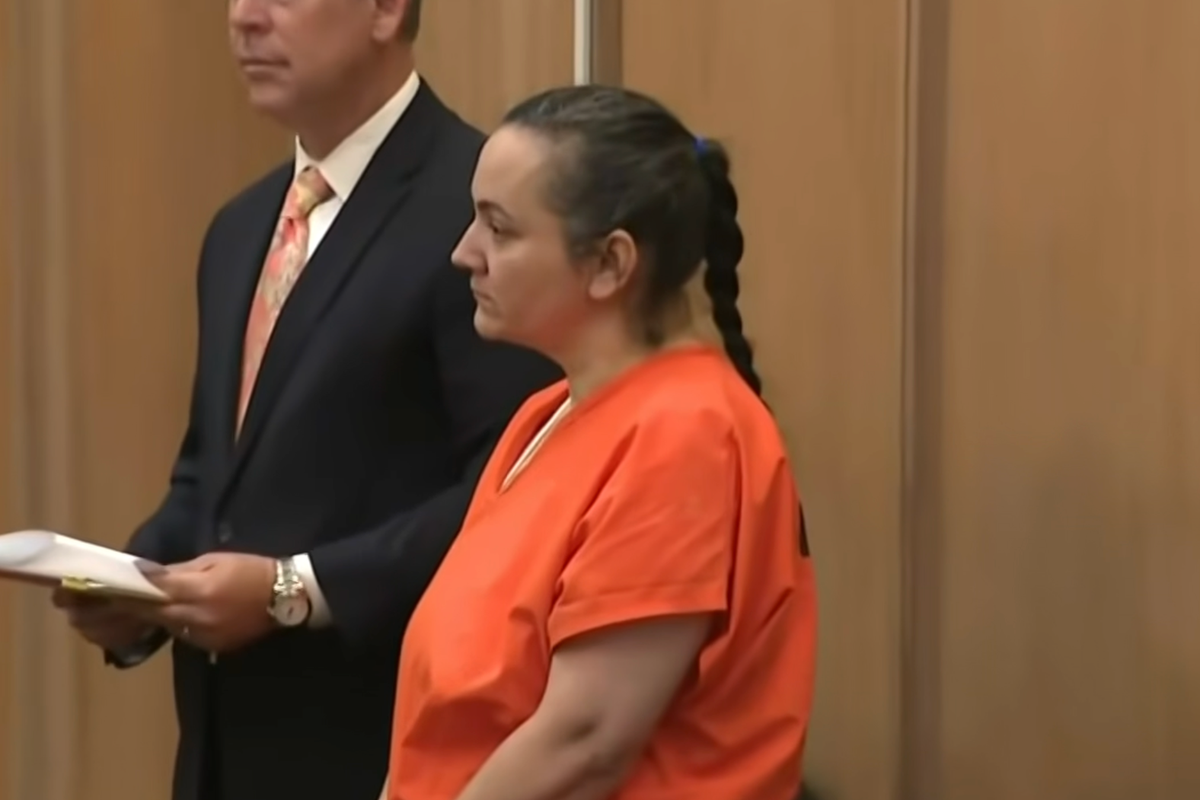
The headlines about the $11 million fraud in Miami are predictable. They focus on the "monster"—the ex-HOA president who funneled millions into a personal piggy bank while roofs leaked and elevators stalled. The media loves a villain. It’s easy to point at a single corrupt actor and call it a tragedy.
But they are lying to you.
The $11 million theft wasn't a heist. It was a slow-motion assisted suicide. If you live in a managed community, you aren't a victim of a "scheme." You are a shareholder in a failed corporation that you refuse to audit. The "fleecing" of Miami residents didn't happen because one person was evil; it happened because the entire structural framework of American homeowners' associations is built on a foundation of amateurism and willful ignorance.
The Myth of the Rogue Actor
The common narrative suggests that if we just "vet" board members better, this won't happen again. That is a fantasy. I’ve spent two decades watching boards manage assets that rival mid-sized corporations with the financial oversight of a lemonade stand.
When you have a $50 million asset—which is what many of these high-rise complexes are—and you hand the keys to a retired dentist and a part-time yoga instructor, you aren't "building a community." You are creating a vacuum. Power hates a vacuum. Fraud fills it.
The Miami case isn't an outlier. It is the logical conclusion of the Amateur-Expert Paradox. We expect volunteers with zero forensic accounting experience to oversee multi-million dollar capital improvement projects. We then act shocked when a vendor-kickback scheme lasts for a decade.
The Logic of the Kickback
Let’s dismantle how $11 million actually disappears. It isn't usually bags of cash moving in the middle of the night. It is the Ghost Vendor Protocol.
- The Inflated Bid: A board member ensures a "preferred" contractor wins a roofing or plumbing contract. The bid is 30% higher than market rate.
- The Approval Loop: Because the board member has "done the research," the other members—who are busy, tired, or just want the meeting to end—rubber-stamp the invoice.
- The Kickback: The contractor pays the board member a "consulting fee."
In the Miami case, the scale was massive because the apathy was absolute. You cannot steal $11 million in a weekend. You steal it $20,000 at a time over years of unread financial statements. If you haven't looked at your association's general ledger in the last six months, you are the getaway driver.
Why "Transparency" Is a Trap
Every "fix" proposed by local politicians involves more "transparency." This is a useless buzzword designed to make residents feel safe while their reserves are bled dry.
Transparency only works if the people looking at the data know what they are seeing. You can post a 400-page financial report on a community portal, but if the residents can't tell the difference between a Capital Reserve Fund and an Operating Account, the transparency is just noise.
True oversight requires Adversarial Auditing.
Most HOAs hire an auditor who is essentially a friend of the management company. They check if the math adds up. They don't check if the work was actually performed or if the price was competitive. They verify the receipt exists; they don't verify if the receipt is a lie.
The Cost of Cheap Management
Residents are obsessed with lowering their monthly dues. This is the most dangerous instinct in real estate. When you pressure a board to keep dues artificially low, you force them to cut corners.
Low dues lead to:
- Hiring the cheapest management companies with the highest employee turnover.
- Deferring maintenance until it becomes a "special assessment" emergency.
- Opening the door for "alternative" financing and shady vendor deals to fill the gaps.
If your HOA dues haven't risen in three years despite 10% inflation in labor and materials, you aren't "saving money." You are accruing a "stupidity tax" that will eventually be collected by a fraudster or a structural engineer.
The Professionalization Mandate
The solution isn't "better neighbors." It's the end of the volunteer board model for high-stakes assets.
We need to treat HOAs like the REITs (Real Estate Investment Trusts) they actually are. In any other sector, managing a $100 million portfolio without a fiduciary license would be a crime. In the HOA world, it’s called "civic duty."
Imagine a scenario where a board was legally required to carry professional liability insurance that was only underwritten if a third-party, AI-driven auditing firm reviewed every transaction over $5,000. The premiums would be high, but they would be lower than an $11 million loss.
Stop Asking the Wrong Questions
People ask: "How could she do this to her neighbors?"
The brutal, honest answer: "Because you let her."
You didn't attend the meetings because they were boring. You didn't run for the board because you didn't want the "headache." You didn't question the $200,000 "landscaping" line item because the grass looked green enough.
You traded oversight for convenience. The $11 million is just the price of your free time.
The Actionable Pivot
If you want to protect your equity, stop looking for "nice" people to run your board. "Nice" people are the easiest to deceive.
- Demand the General Ledger: Not the "summary." The raw ledger. If the board refuses, find a lawyer immediately.
- Audit the Auditor: Ask how many years the same firm has done the audit. If it’s more than three, they are too cozy. Rotate them.
- Kill the "Lowest Bid" Rule: It’s a magnet for scammers. Look for value, not the bottom dollar.
- Pay for Expertise: Hire an independent project manager for any capital expenditure over $50,000. Do not let the board or the management company handle the bidding process alone.
The Miami fraud wasn't a failure of one person's morality. It was a successful stress test of a broken system. Until residents realize they are running a business and not a social club, the next $11 million is already being moved.
Check your balance sheet. Or someone else will do it for you.