Geopolitics is often treated like a high-stakes game of Risk by commentators who haven't looked at a balance sheet in a decade. The prevailing narrative—that Saudi Arabia is "ready to attack" Iran while the UAE waits in the wings to support a Trump-led intervention—is a fossilized relic of 2017. It’s a lazy, click-driven fantasy that ignores the brutal economic reality on the ground in Riyadh and Dubai.
The idea of a hot war in the Persian Gulf isn't just unlikely; it’s a financial suicide pact that neither Crown Prince Mohammed bin Salman (MBS) nor Sheikh Mohamed bin Zayed (MBZ) is willing to sign. If you’re waiting for the first F-15s to cross the Persian Gulf, you’re looking at the wrong map.
The Vision 2030 Paradox
Let’s dismantle the "Saudi Aggression" trope first. Saudi Arabia is currently in the middle of the most ambitious social and economic pivot in modern history. MBS is trying to build NEOM, a $500 billion linear city, and turn the Kingdom into a global tourism hub.
You don’t build a luxury Riviera on the Red Sea if you’re planning to invite Iranian ballistic missiles to rain down on your desalination plants. The "lazy consensus" says Riyadh is itching for a fight to assert regional dominance. The nuance is that Riyadh is desperate for stability to ensure its non-oil GDP targets don't evaporate.
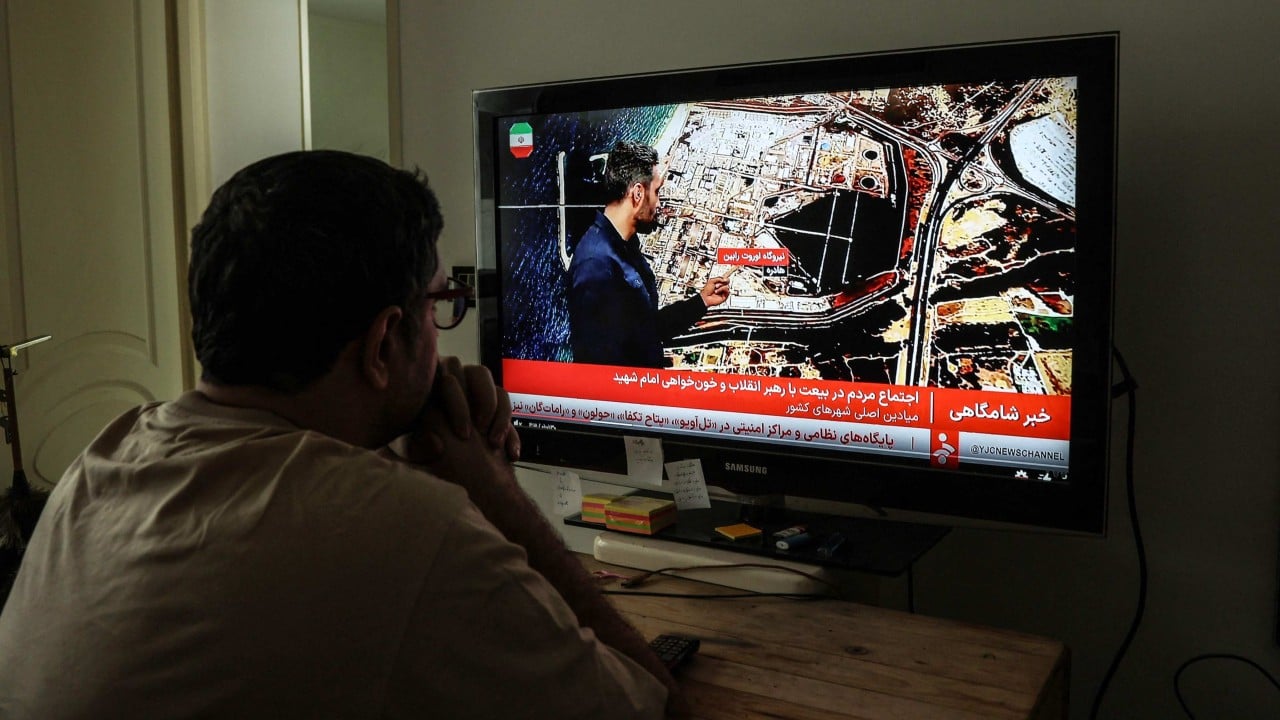
War is the ultimate "Vision 2030" killer. The moment a single drone hits a Saudi refinery—as we saw with the Abqaiq–Khurais attack in 2019—the insurance premiums for shipping in the Gulf skyrocket, foreign direct investment (FDI) flees to Singapore, and the IPOs of state-owned entities stall. Riyadh isn't preparing for an attack; they are practicing the art of the tactical retreat. They’ve spent the last three years normalizing ties with Tehran through Chinese mediation because they realized that the U.S. "security umbrella" has more holes than a screen door.
The UAE’s Hedging Masterclass
Then there’s the UAE. The "competitor" narrative suggests Abu Dhabi is "preparing troops" to back a Trumpian offensive. This fundamentally misreads Emirati foreign policy. The UAE is the Switzerland of the Middle East, with better shopping and higher humidity.
Abu Dhabi has mastered the art of "Strategic Hedging." They buy Chinese L-15 trainers, host U.S. airbases, and welcome Russian oligarchs simultaneously. They aren't "preparing troops" for a kinetic war against Iran; they are preparing their economy for a post-American security architecture.
When the UAE pulled out of the naval coalition in the Gulf, it wasn't a sign of weakness. It was a declaration of independence. They’ve seen that the U.S. appetite for "forever wars" is zero, regardless of who is in the White House. To suggest they would sacrifice their status as a global logistics and finance hub to play sidekick in a regional firestorm is an insult to their intelligence.
The Trump Variable
Everyone loves to use Donald Trump as the "wild card" that will ignite the region. The logic goes: Trump returns, imposes "maximum pressure," and gives the green light for a regional strike.
This ignores Trump’s most consistent instinct: isolationism. Trump doesn't want to spend American blood or treasure on Middle Eastern sands. He wants "The Deal." His interest in the region is transactional, not ideological. During his first term, when Iran shot down a $130 million U.S. Global Hawk drone, Trump called off the retaliatory strike at the last minute because it wasn't "proportionate."
Riyadh and Abu Dhabi learned a hard lesson that day: The U.S. will sell you the hardware, but they won't fight your ghost wars. The "Maximum Pressure" campaign wasn't a prelude to war; it was a failed attempt at a leveraged buyout. The Gulf states know this. They aren't waiting for a Trump "green light"; they are terrified of a Trump "exit strategy."
The Infrastructure Vulnerability
If you want to understand why a Gulf war is a non-starter, look at the plumbing.
The Gulf states are hyper-modern cities built on top of incredibly fragile life-support systems.
- Desalination: Almost 90% of the drinking water in the UAE and Saudi Arabia comes from a handful of massive desalination plants. These are stationary, unarmored targets. One precision strike and the population has 48 hours before the taps run dry.
- Oil Logistics: The Strait of Hormuz is a chokepoint that Iran can effectively close with sea mines and asymmetric naval assets.
- The Glass Tower Problem: You can't be a global financial center if your skyscrapers are vulnerable to $20,000 "suicide" drones.
Imagine a scenario where Riyadh launches a "pre-emptive" strike. Within six hours, the Dubai International Airport is shuttered, the Burj Khalifa is evacuated, and the Aramco stock price hits the floor. This isn't 1991. The asymmetric capabilities of Iran's "Axis of Resistance" (Hezbollah, Houthis, and various militias) mean that any attack on Iran results in the total economic deconstruction of the Gulf Cooperation Council (GCC).
The Real Conflict is Economic, Not Kinetic
The "Status Quo" pundits are obsessed with tanks and missiles. They are missing the actual war: the battle for the post-oil future.
Saudi Arabia and the UAE are in a fierce, silent competition with each other—not Iran. They are fighting over who will be the regional hub for tech, AI, and finance. This is why Saudi Arabia gave an ultimatum to multinational companies to move their regional headquarters to Riyadh or lose out on government contracts.
Iran, for all its bluster, is an economic basket case. It’s a demographic ticking time bomb with a collapsing currency. Riyadh and Abu Dhabi don't need to drop bombs on Tehran; they just need to out-compete them for the next 50 years. Every dollar spent on a Tomahawk missile is a dollar not spent on a lithium-ion battery factory or a green hydrogen plant.
The Misconception of "Ready to Attack"
When a headline says a country is "ready to attack," it usually means a mid-level bureaucrat gave a spicy quote to a journalist over coffee. In the real world, "ready to attack" requires a total mobilization of the domestic economy, the clearing of sovereign debt, and the securing of supply chains.
Saudi Arabia is currently borrowing money to fund its massive infrastructure projects. You don't take on billions in debt to build a mirror-walled city in the desert if you think the neighbor is going to blow it up next Tuesday.
The true industry insiders aren't looking at troop movements; they’re looking at credit default swaps. And right now, the markets aren't pricing in a war. They’re pricing in a pivot.
The "experts" telling you that war is imminent are the same ones who thought the Taliban would take two years to capture Kabul. They are operating on outdated maps and 20th-century logic.
The Gulf is no longer a collection of Western gas stations. They are sovereign actors who have realized that peace is the only way to protect their wealth. Iran is a problem to be managed, not a target to be destroyed. The UAE isn't "preparing troops"; they’re preparing portfolios.
Stop looking for a repeat of Desert Storm. The new Middle East isn't interested in your war fantasies; it’s too busy trying to survive the end of the oil era. If there’s a conflict, it will be fought in the boardrooms of sovereign wealth funds, not the cockpits of fighter jets.
The era of the Gulf states fighting America’s battles—or asking America to fight theirs—is over. They’ve grown up. It’s time the Western media did the same.