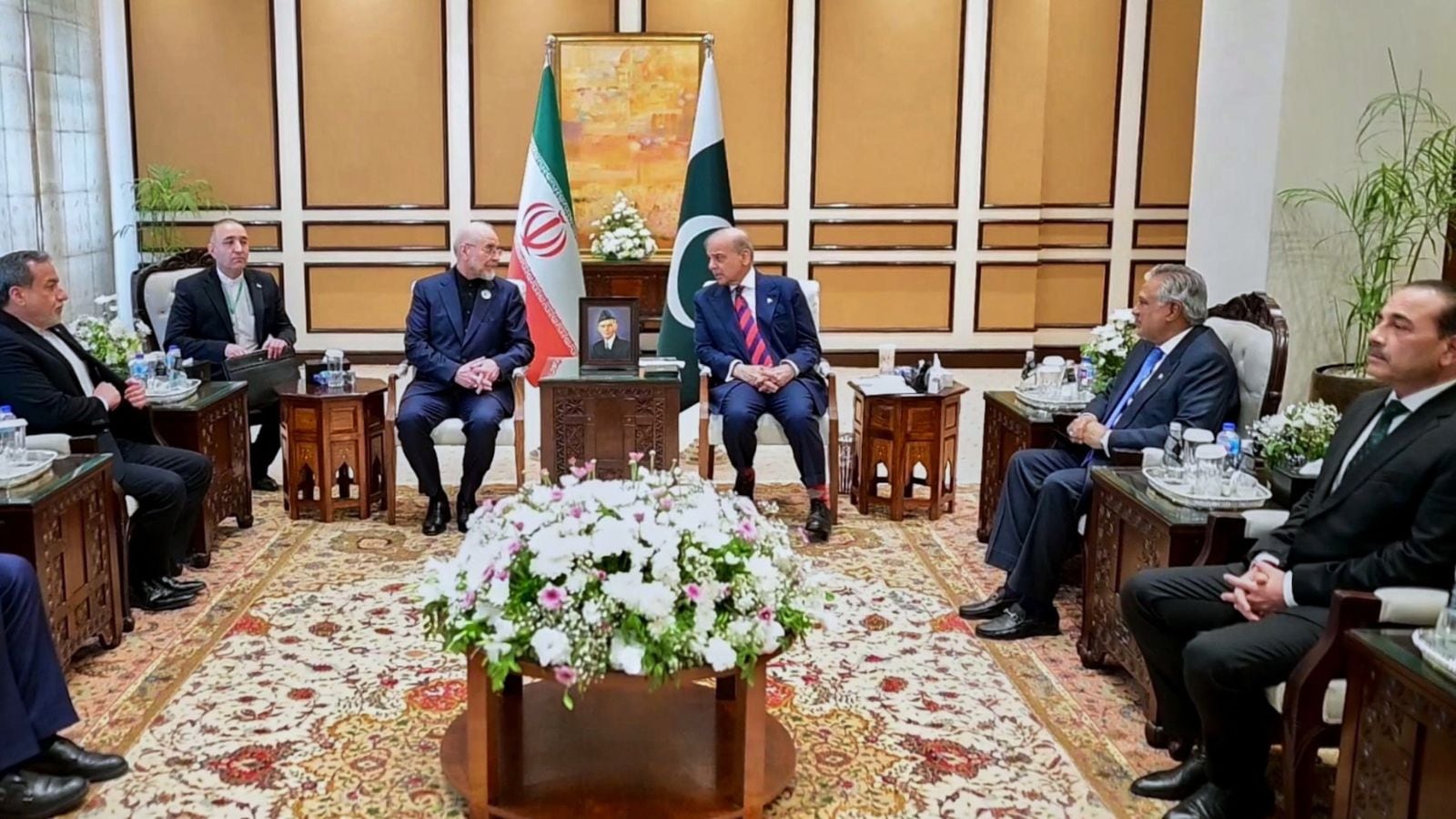
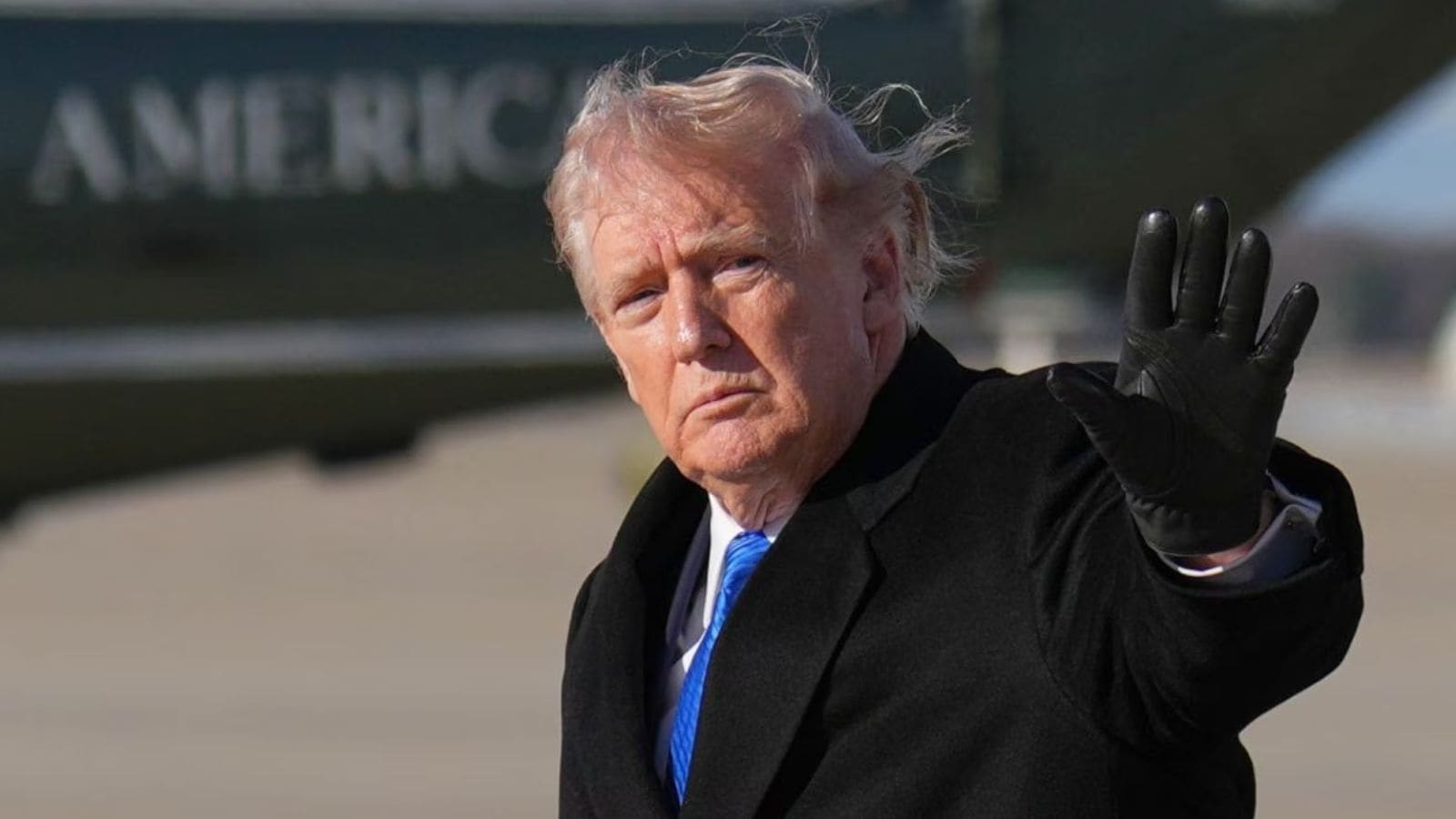
The failure to secure a diplomatic resolution with Iran is not a byproduct of personality clashes or specific rhetorical gaffes but a predictable outcome of misaligned structural incentives and the "Security Dilemma" in the Persian Gulf. When Vice President Vance confirms that no deal has been reached, he is acknowledging a fundamental mismatch between the Western requirement for permanent "breakout time" suppression and the Iranian requirement for irreversible sanctions lifting. This friction creates a static state of high-tension equilibrium where both parties find the status quo—however volatile—preferable to the concessions required for a formal accord.
The Triad of Iranian Strategic Objectives
To analyze why negotiations have stalled, one must categorize Iranian foreign policy into three distinct functional pillars. These are not ideological preferences; they are survival mechanisms designed to offset conventional military inferiority.
- Nuclear Latency as Sovereignty: Iran views nuclear capability not necessarily as a weapon to be deployed, but as a threshold of "latency." By maintaining the technical infrastructure to enrich uranium to 60% or 90% purity, Tehran creates a deterrent floor. Any deal that requires the physical destruction of this infrastructure (centrifuge arrays and hardened facilities) is viewed by the Iranian security apparatus as an unacceptable loss of strategic depth.
- The Forward Defense Doctrine: This involves the funding and technical support of non-state actors (The Axis of Resistance). From a tactical perspective, these groups function as "asymmetric outposts." They extend Iran's defensive perimeter by hundreds of miles, ensuring that any conflict involving Iran is fought on foreign soil.
- Sanctions Circumvention and the Gray Market: Over decades, Iran has built a sophisticated financial and logistical network to export petroleum products outside the SWIFT banking system. Because this "gray market" provides a baseline of economic survival, the leverage provided by Western sanctions has a diminishing marginal utility.
The Cost Function of Diplomatic Concession
The breakdown in talks can be modeled through a cost-benefit analysis of the "Deal vs. No Deal" scenarios for both Washington and Tehran.
For the United States, a "weak" deal—defined as one with "sunset clauses" that allow Iranian nuclear restrictions to expire—carries a high political and regional cost. It alienates traditional Middle Eastern allies and risks a domestic legislative revolt. Conversely, a "maximalist" deal that demands Iran cease its ballistic missile program and dismantle its proxy networks is a non-starter for Tehran.
This creates a Deadlock Zone:
- US Minimum Requirement: Permanent, verifiable cessation of all enrichment paths and missile proliferation.
- Iran Minimum Requirement: Permanent, legally binding removal of all primary and secondary sanctions with a "snap-back" immunity clause.
Because neither party can offer the other's minimum requirement without sacrificing their core security architecture, the negotiation enters a cycle of performative diplomacy. Each side attends meetings to signal a desire for peace to the global audience while maintaining a rigid stance that ensures no movement occurs.
The Technical Bottleneck: Centrifuge Efficiency and Enrichment Purity
The physics of uranium enrichment dictates the timeline of any potential "breakout." The transition from 5% enrichment (power grade) to 20% (medical/research grade) represents roughly 90% of the total work required to reach weapons-grade material (90%).
Iranian advances in IR-6 centrifuge technology have fundamentally altered the math of diplomacy. These machines are significantly more efficient than the older IR-1 models. Even if Iran agrees to ship its current stockpile of enriched uranium out of the country, the knowledge of how to manufacture and operate IR-6 units cannot be unlearned. This "technical baseline" means that the time required to reconstitute a weapons program has shrunk from years to weeks. From a strategic consulting perspective, the Western "breakout time" metric—which was the foundation of the 2015 JCPOA—is effectively broken.
Sanctions Fatigue and the Shift Toward Eurasia
The efficacy of US-led sanctions relies on the global dominance of the US dollar and the cooperation of major trading blocks. However, a significant shift in the global economic structure has weakened this lever. Iran’s integration into the Shanghai Cooperation Organization (SCO) and its growing energy partnership with China provide an "economic ventilator."
When the US applies "Maximum Pressure," the intended effect is a total collapse of the target's currency and internal stability, forcing a surrender at the table. In reality, the targeted regime often responds by:
- Securitizing the Economy: Directing remaining capital to the military and security services first, ensuring regime survival while the civilian population bears the brunt of the hardship.
- Diversifying Trade Partners: Shifting exports toward nations that are willing to ignore US secondary sanctions in exchange for discounted energy.
This "leakage" in the sanctions regime means that the Iranian leadership does not feel the existential pressure required to make the specific concessions the Vance administration is seeking.
The Kinetic Risk of "No Deal"
The absence of a formal agreement does not mean a return to a peaceful status quo. It initiates a "Cycle of Kinetic Escalation." Without a diplomatic guardrail, both sides use military signaling to communicate resolve.
This cycle typically follows a predictable sequence:
- Economic Escalation: The US tightens maritime enforcement of oil sanctions.
- Asymmetric Response: Iranian-backed groups initiate drone or rocket attacks on shipping lanes or regional bases.
- Proportional Strike: The US conducts precision strikes on proxy infrastructure.
- Nuclear Advancement: Iran responds to military pressure by increasing enrichment levels or restricting IAEA inspector access.
The danger of this cycle is "Inadvertent Escalation," where a tactical miscalculation (e.g., a strike that kills a high-ranking official or causes significant collateral damage) forces a strategic retaliation that neither side originally intended.
Intelligence Gaps and Verification Hurdles
A major friction point in current talks is the "Archive Issue." The IAEA (International Atomic Energy Agency) has consistently requested explanations for traces of uranium found at undeclared sites. Iran views these inquiries as politically motivated and intelligence-driven rather than purely technical.
The impasse over verification is a classic example of Information Asymmetry.
- The West demands total transparency to prove a negative (that Iran has no secret program).
- Iran views total transparency as a roadmap for future sabotage or kinetic strikes by foreign intelligence agencies.
This creates a verification paradox: the more access the IAEA requires to be satisfied, the more Iran fears its national security is being compromised.
The Regional Alignment Variable
The Abraham Accords and the subsequent shifts in Arab-Israeli relations have introduced a new variable into the Iran peace talks. Regional powers are no longer passive observers; they are active stakeholders with their own "red lines."
The emergence of a regional air defense alliance (Middle East Air Defense or MEAD) changes the calculus for Iran. If Iran perceives that its neighbors are forming a unified military front backed by US technology and Israeli intelligence, its incentive to accelerate its own missile and nuclear programs increases as a counter-balance. This creates a feedback loop where regional "stabilization" efforts actually accelerate the arms race.
Strategic recommendation: Shifting from "Grand Bargain" to "Functional De-escalation"
The pursuit of a comprehensive "Grand Bargain" is currently a flawed strategy. The structural gaps between US and Iranian requirements are too wide to be bridged by a single document. The Vance administration, and any subsequent analysts, must shift toward a framework of "Functional De-escalation."
This involves a series of small, transactional steps designed to lower the temperature rather than solve the entire conflict.
- Step 1: The "Freeze-for-Freeze" Model. Iran halts enrichment above 20% in exchange for a specific, time-bound waiver on oil exports to specific non-sanctioned entities.
- Step 2: Technical Transparency. Replacing intrusive site visits with automated, remote monitoring of enrichment flow, reducing the "espionage" risk for Tehran while maintaining data integrity for the IAEA.
- Step 3: Proxy Demarcation. Establishing "red lines" regarding the types of weapons systems transferred to non-state actors, focusing on preventing the proliferation of precision-guided munitions (PGMs) rather than demanding a total cessation of all support.
The goal is not a "peace deal" in the traditional sense, but the management of a long-term rivalry. By quantifying the technical thresholds and understanding the survival logic of the Iranian state, the US can move away from a binary "Deal/No Deal" mindset and toward a sustainable containment strategy that avoids a full-scale regional war. The focus must remain on preventing the "breakout" while accepting that the "latent" capability is now a permanent feature of the Middle Eastern landscape.