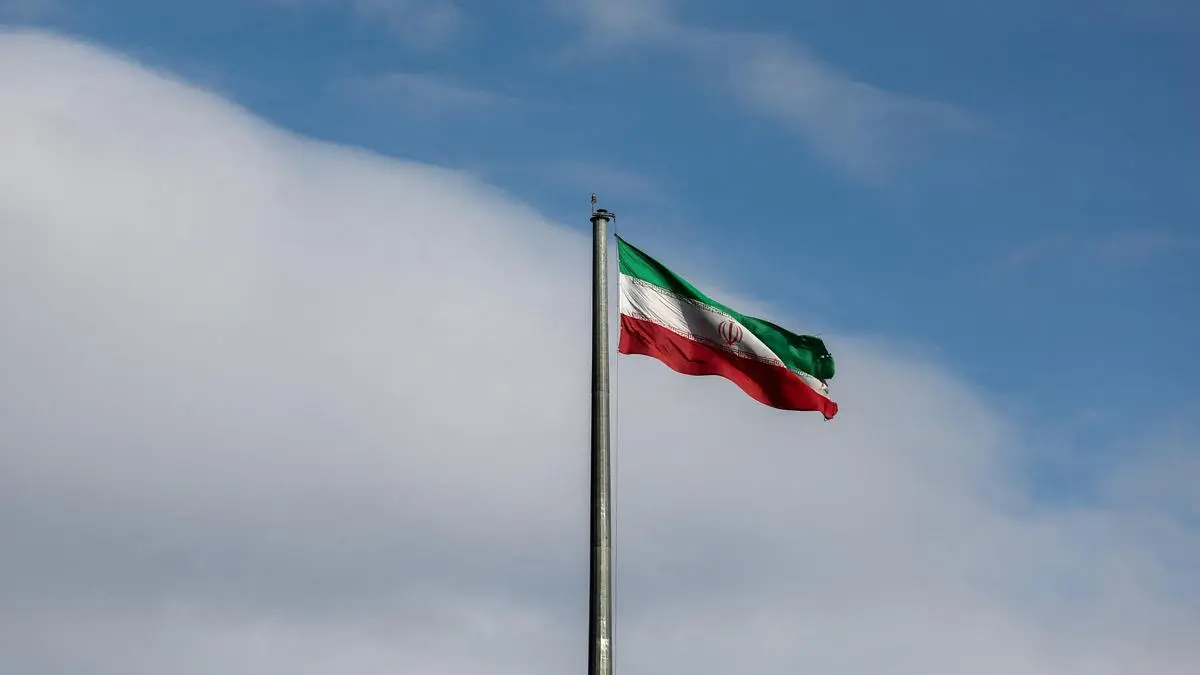
The report of Chinese weaponry moving toward Iranian custody represents a fundamental shift in the transactional architecture of the Middle East, moving from passive diplomatic alignment to active kinetic enablement. This transfer is not a isolated event but a calculated execution of the Comprehensive Strategic Partnership signed in 2021. To understand the gravity of these intelligence indicators, one must look past the immediate shipment and analyze the logistical, technological, and strategic feedback loops being established between Beijing and Tehran.
The Dual-Use Escalation Framework
Weaponry transfers between major powers and regional actors generally follow a three-tier escalation framework. The current intelligence suggests a transition from Tier 2 to Tier 3.
- Tier 1: Component Seeding. The provision of non-lethal microelectronics, CNC machinery, and carbon fiber used in indigenous Iranian production (e.g., the Shahed drone program).
- Tier 2: Assembled Subsystems. The transfer of complete guidance systems, engines, or propulsion units that Iran cannot yet manufacture at scale.
- Tier 3: Finished Kinetic Platforms. The direct delivery of high-end anti-access/area-denial (A2/AD) systems, including advanced surface-to-air missiles (SAMs) or anti-ship cruise missiles (ASCMs).
By moving into Tier 3, China effectively short-circuits the years of R&D Iran would require to counter Western-aligned naval and aerial assets. This creates an immediate "threat-inflation" effect for the United States and its regional partners, forcing a reallocation of defensive resources to the Persian Gulf.
Structural Logic of the Transfer: The Sino-Iranian Interdependence Model
The logic driving this shipment is rooted in a specific cost-benefit function for Beijing. For China, the Middle East is an experimental theater for asymmetric warfare. By equipping Iran with advanced systems, China achieves three primary objectives without committing a single soldier:
- Strategic Distraction: Every dollar of US defense spending diverted to countering Iranian-aligned threats is a dollar not spent in the Indo-Pacific. This creates a "multi-front strain" on the US Department of Defense, stretching the logistics of Carrier Strike Groups (CSGs).
- Combat Data Acquisition: Iranian proxies (the "Axis of Resistance") provide a real-world testing ground. When Chinese-designed sensors or guidance systems engage Western countermeasures in the Red Sea or Levant, Beijing receives invaluable telemetry and performance data to iterate its own designs for a potential Taiwan Strait conflict.
- Energy Security Insurance: In exchange for defense hardware, China secures preferential access to Iranian crude. This bypasses the traditional global petrodollar system, reinforcing the "Petroyuan" ecosystem and insulating China’s energy supply from Western-led sanctions.
Technical Specifications and Intelligence Indicators
Modern intelligence collection on arms transfers relies on "Signature Matching." US intelligence likely identified this shipment through a combination of SIGINT (Signals Intelligence) and IMINT (Imagery Intelligence). The movement of specific heavy-lift vessels from Chinese military ports to Iranian-controlled terminals provides a high-confidence trail.
Key technological assets rumored to be in transit include:
- YJ-18 Anti-Ship Cruise Missiles: These represent a significant upgrade over existing Iranian C-802 derivatives. The YJ-18 features a subsonic cruise phase followed by a supersonic terminal sprint ($Mach\ 3.0$), making interception by current Aegis Combat Systems exponentially more difficult.
- Passive Radar Systems: To counter stealth technology used by the F-35, China has invested heavily in passive coherent location (PCL) systems. Providing these to Iran would degrade the operational "invisible" advantage held by Israeli and US air forces.
- Satellite Navigation Hardening: Iran's reliance on GPS is a vulnerability. China’s BeiDou Navigation Satellite System (BDS) offers a resilient alternative. Integrating Iranian munitions with BDS ensures that Western electronic warfare (EW) "jamming" of GPS signals does not render Iranian strikes ineffective.
The Bottleneck of Integration
While the physical shipment of weapons is a high-profile event, the true measure of strategic impact is the "Integration Coefficient." Simply owning a Chinese missile does not grant an Iranian commander the ability to use it effectively within a combined-arms framework.
The integration process involves three distinct bottlenecks:
- Doctrine Translation: Iranian military doctrine is traditionally focused on unconventional, swarm-based tactics. Integrating high-precision Chinese systems requires a shift toward conventional, sensor-fused warfare.
- Maintenance and Lifecycle Logistics: Advanced Chinese systems require specialized parts and technical advisors. This necessitates a semi-permanent presence of Chinese technicians on Iranian soil, effectively creating a "human shield" of foreign nationals that complicates any potential strike on those facilities.
- Data Link Interoperability: For these weapons to reach their full potential, they must be networked. This requires Iran to adopt Chinese C4ISR (Command, Control, Communications, Computers, Intelligence, Surveillance, and Reconnaissance) standards, essentially tethering Iranian defense infrastructure to Chinese digital architecture for decades.
Economic Sanctions and the Myth of Containment
The intelligence regarding these shipments highlights the diminishing returns of the Western sanctions regime. The "Sanctions Paradox" states that as a country (Iran) is increasingly isolated from Western markets, the opportunity cost of aligning with a rival power (China) drops to zero.
China utilizes "Dark Fleet" logistics—a network of aging tankers and cargo ships with obscured ownership—to facilitate these transfers. Because these transactions occur outside the SWIFT banking system, the US Treasury has limited levers to pull without sanctioning major Chinese state-owned banks, an escalation that would trigger a global liquidity crisis.
Regional Response Dynamics
The arrival of Chinese weapons in Iran triggers an immediate response from two primary actors: Israel and the Gulf Cooperation Council (GCC).
Israel's strategy has historically been "The Campaign Between the Wars" (CBW), involving targeted strikes on advanced weaponry before it can be deployed. However, striking Chinese-origin hardware guarded by Chinese-trained personnel carries a higher diplomatic risk than striking indigenous Iranian factories.
The GCC countries, particularly Saudi Arabia and the UAE, face a "Hedging Dilemma." While they rely on the US for a security umbrella, China is their largest oil customer. If China becomes the primary provider of security stability (or instability) in the region, the GCC states will likely accelerate their own pivot toward Beijing to ensure they are on the "safe" side of the new power balance.
Strategic Forecast: The Emergence of a Closed Loop
The US intelligence findings signal the end of the "Western-Only" era of Middle Eastern arms proliferation. We are entering a period defined by a "Closed Loop" between Beijing and Tehran.
China provides the hardware and the digital backbone. Iran provides the regional proxy network and the combat testing ground. The result is a self-sustaining cycle of escalation that the West cannot easily disrupt through traditional naval presence or economic pressure. The next twelve months will likely see an increase in "Joint Exercises" in the Gulf of Oman, serving as a public validation of this integrated hardware.
For strategic planners, the focus must shift from "preventing the shipment" to "mitigating the network." The physical weapons are now a variable in the equation; the real challenge is the digital and doctrinal synchronization between the world’s rising superpower and its most significant regional disruptor. Defense strategies must now account for Chinese sensor performance as the baseline for all Iranian kinetic threats. This requires an immediate acceleration in directed-energy weapons and high-capacity interceptor production to maintain the current balance of power.