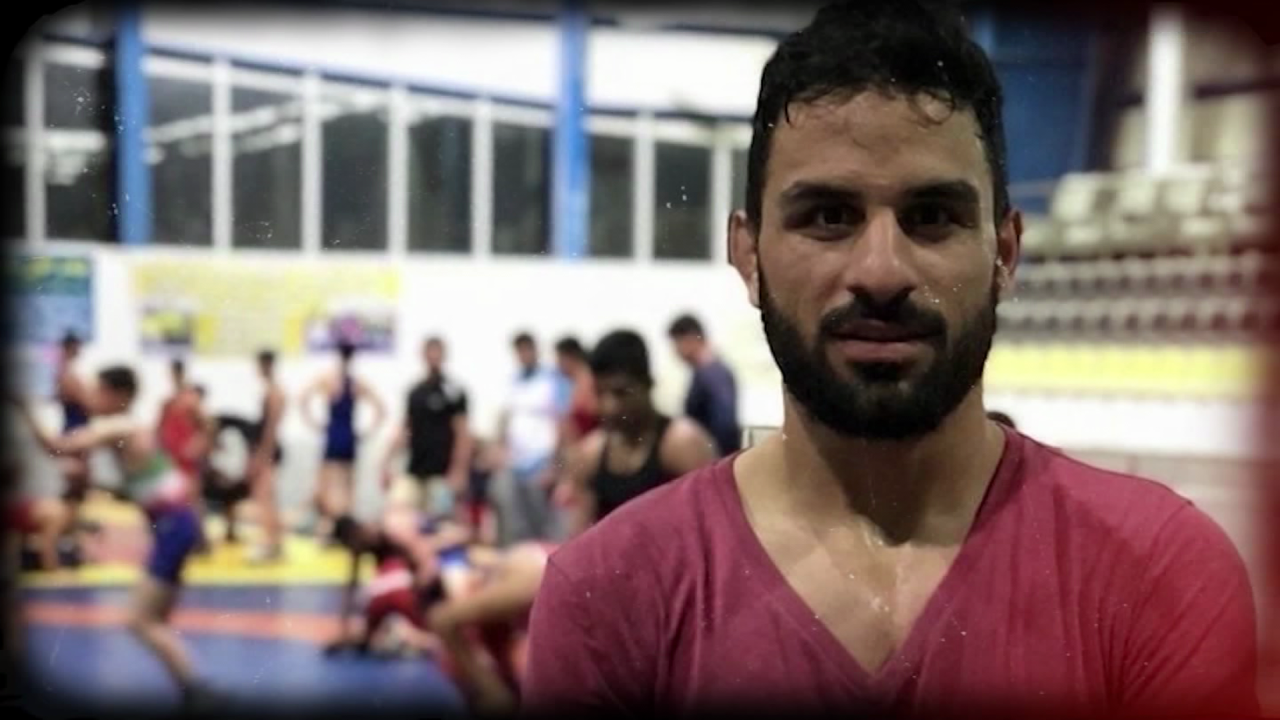
The world of international sports usually revolves around medals, sponsorships, and podium finishes. For Iranian athletes, the stakes are often a matter of life and death. When former Iranian water polo player Yashar Soleimani spoke out about the execution of wrestler Navid Afkari, it wasn't just another social media post. It was a raw, visceral reaction to a system that uses its champions as political pawns.
Navid Afkari was a national-level wrestler. In Iran, wrestling is more than a sport; it's a cultural pillar. Yet, in September 2020, the Iranian government hanged him. They claimed he killed a security guard during the 2018 anti-government protests. Afkari, his family, and human rights organizations maintained that his confession was extracted through brutal torture.
The execution sent shockwaves through the global athletic community. For someone like Soleimani, who represented Iran on the international stage, the news was a breaking point. It highlighted a terrifying reality for every Iranian athlete. If a high-profile wrestler can be executed despite a massive international outcry—including pleas from the International Olympic Committee (IOC) and high-ranking world leaders—no one is safe.
The Brutal Reality for Iranian Champions
Athletes in Iran live under a microscope. They're expected to be ambassadors for the regime's ideology, not just their sport. When they step out of line, the retaliation is swift and often permanent. Soleimani’s distress reflects the collective trauma of a generation of Iranian sports figures who feel trapped between their love for their country and their fear of its government.
Navid Afkari's case became a symbol because of how blatantly the legal process was bypassed. Reports from groups like Amnesty International and Human Rights Watch pointed to a trial that lacked any semblance of fairness. There were no witnesses. There was no evidence other than a forced confession. The regime wanted to send a message. They wanted to show that even being a national hero wouldn't save you if you dared to protest.
It’s a pattern we’ve seen repeated. Take the case of karate champion Mohammad Mehdi Karami, who was executed in early 2023 following the "Woman, Life, Freedom" protests. The story is always the same. A quick trial, no access to a lawyer of their choice, and a sudden execution.
Why Soleimani and Others Risk Everything to Speak
You might wonder why an athlete would risk their life or their family’s safety by speaking up from abroad. For Soleimani, the silence was probably heavier than the risk. When you’ve shared locker rooms and training camps with people who disappear into the prison system, "just sticking to sports" feels like a betrayal.
Iranian athletes who defect or speak out often face intense pressure. The government frequently harasses their families back home. They’re labeled as traitors. Yet, the number of athletes seeking asylum is skyrocketing. From taekwondo bronze medalist Kimia Alizadeh to judoka Saeid Mollaei, the exodus of talent is a direct result of the political environment Afkari died in.
Soleimani’s grief isn't just about one man. It's about the death of the "Pahlavan" spirit—the traditional Iranian ideal of a brave, chivalrous athlete who protects the weak. By executing Afkari, the state didn't just kill a wrestler; they attempted to kill the idea that an athlete could be a voice for the people.
The Failure of International Sports Bodies
Many athletes feel let down by the IOC and other international federations. When Afkari was facing the gallows, the world watched. The IOC expressed "shock," but the consequences for the Iranian Olympic Committee were practically non-existent.
- The IOC often hides behind the "neutrality" of sport.
- Human rights groups argue that this neutrality is actually complicity.
- If a country executes its athletes for protesting, should it be allowed to fly its flag at the Games?
This is the question that haunts people like Soleimani. They see a world that moves on to the next gold medal while their friends are being buried in unmarked graves. The disconnect is staggering.
The Long Shadow of the 2018 Protests
To understand why Afkari was targeted, you have to look at the 2018 protests. These weren't just political rallies; they were cries for help from a population crushed by economic mismanagement and lack of freedom. Navid and his brothers joined those protests.
The state’s response was a campaign of fear. By picking a wrestler, they hit Iranians where it hurt. Wrestling is the soul of the country. If the state can hang a wrestler, they can hang anyone. This psychological warfare is exactly what Soleimani was reacting to. It’s a specialized kind of grief that comes from seeing your culture's heroes turned into victims.
Moving Beyond the Outcry
If you're following these stories, it's easy to feel helpless. But the pressure from the international community does matter. It might not have saved Navid, but it has delayed other executions. It has given athletes the courage to defect and tell their stories.
We need to stop viewing these as isolated "political" incidents. They are human rights catastrophes happening in the middle of our stadiums.
Don't just read the headline and move on. Look into the work of organizations like Global Athlete or the United for Navid campaign. These groups are pushing for actual accountability in sports governance. They want rules that protect athletes from state-sponsored violence.
The next time an Iranian athlete stands on a podium and refuses to celebrate, or when someone like Soleimani speaks out with tears in his eyes, remember Navid Afkari. Remember that for some, the game never ends when they leave the field. They're still running for their lives.
Start by supporting the calls for independent investigations into the treatment of Iranian athletes. Demand that your national sports federations bring these issues to the floor at the next international summit. The only way to stop the cycle of executions is to make the political cost higher than the Iranian regime is willing to pay.