The arrival of a cruise vessel carrying a suspected hantavirus cluster into Spanish territorial waters presents a multidimensional biosafety challenge that exceeds standard port health protocols. While hantaviruses are traditionally categorized as rodent-borne zoonoses with limited human-to-human transmission potential, the enclosed environmental systems of a maritime vessel create a high-density transmission matrix. The primary risk is not merely the infection count but the diagnostic lag and the mechanical aerosolization of viral particles within centralized HVAC systems.
The Hantavirus Transmission Calculus in Enclosed Environments
To assess the true risk profile of this outbreak, one must look beyond the raw infection data and examine the Vector-Host-Environment (VHE) Triad. Hantaviruses, specifically those causing Hantavirus Pulmonary Syndrome (HPS) or Hemorrhagic Fever with Renal Syndrome (HFRS), rely on the aerosolization of excreta from infected rodents.
On a cruise ship, the "Environment" variable is the critical multiplier. Unlike terrestrial outbreaks where exposure is often localized to rural structures, a ship utilizes a recirculating air logic.
- Aerosolization Mechanics: Dry viral particles are disturbed and pulled into the ventilation return air.
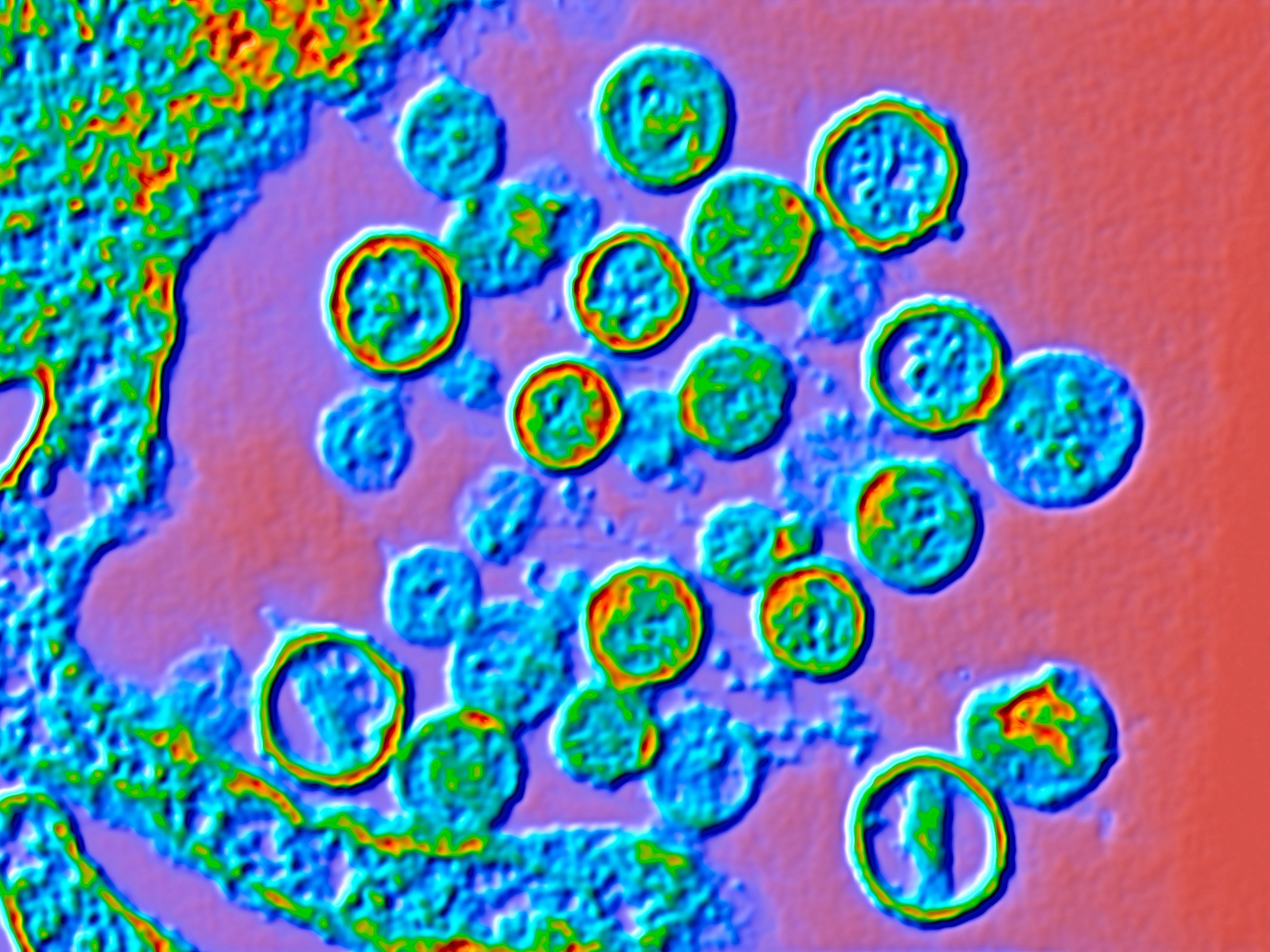
- Filtration Failure: Standard MERV-rated filters on older or mid-tier vessels are often insufficient to trap viral particles measuring between 80 to 120 nanometers.
- High-Contact Velocity: The density of passengers per square meter in communal dining and theater areas maximizes the "effective contact rate," even if the virus's $R_0$ (basic reproduction number) remains low in a general population setting.
The "Three Pillars of Maritime Containment" are currently being tested in this Spanish context: Source Identification, Aerosol Mitigation, and Quarantine Logistics. The lack of clarity regarding the rodent reservoir—whether the infestation originated at a previous port or is an endemic "ship-born" population—prevents an accurate forecast of the outbreak's duration.
Diagnostic Bottlenecks and Clinical Progression
A significant gap in the current public discourse is the failure to distinguish between the incubation phase and the symptomatic "crisis" phase of the virus. Hantavirus has an incubation period ranging from one to eight weeks, which creates a massive Epidemiological Shadow.
The Phase-Gate Progression of HPS
The clinical trajectory typically follows a rigid, three-stage progression that complicates shipboard triage:
- The Prodromal Phase: Characterized by non-specific symptoms such as fever, myalgia, and fatigue. At this stage, distinguishing hantavirus from common influenza or even Norovirus-associated malaise is functionally impossible without molecular diagnostics.
- The Cardiopulmonary Stage: This occurs rapidly, often within 24 to 48 hours of the prodrome. It involves a "capillary leak" syndrome where the lungs fill with fluid. On a vessel with limited ICU-level equipment (ventilators and pressors), the mortality rate in this phase can exceed 35%.
- The Convalescent/Terminal Phase: Depending on the intervention speed, the patient either begins fluid reabsorption or succumbs to hypoxia and cardiac failure.
The Spanish authorities face a "Resource Constraint Function." If they allow the ship to dock, they risk overwhelming local regional hospitals with high-intensity ICU cases. If they keep the ship at sea (the "St. Louis" logic), they guarantee a higher mortality rate due to the lack of specialized pulmonary support on board.
Logic Gaps in the Spanish Territorial Strategy
Current reports indicate a "wait and see" approach as the vessel nears the Canary Islands or the mainland. This strategy ignores the Velocity of Information required for effective zoonotic control.
The first failure is the Vector Attribution Gap. Spanish health officials have not publicly identified the specific hantavirus strain. This is not a trivial detail; the Sin Nombre strain (Americas) leads to HPS with high mortality, while the Puumala or Seoul strains (Eurasia) typically lead to HFRS, which is generally less lethal but causes acute renal failure. The logistical requirements for treating 50 cases of renal failure (requiring dialysis) versus 50 cases of pulmonary failure (requiring ECMO or ventilation) are entirely different.
The second failure is the HVAC Sequestration Delay. In a suspected aerosol-borne outbreak, the immediate tactical move is to switch from recirculated air to 100% outside air (OA) and implement HEPA-grade filtration at the cabin level. There is no confirmation that this has been standardized across the vessel's zones.
The Economic Cost Function of Maritime Quarantine
The decision to grant Pratique (permission for a ship to enter port) is governed by the International Health Regulations (2005). However, the economic externalities for the Spanish government are significant.
- Direct Costs: Hospitalization, specialized waste disposal of viral-contaminated linens, and vector control (extermination) within the port.
- Opportunity Costs: The closure of berths and the "stigma effect" on the local tourism industry, particularly in regions like the Balearic or Canary Islands.
- Legal Liability: The jurisdictional friction between the ship's flag state (often a "flag of convenience" like the Bahamas or Panama) and the coastal state (Spain).
Spain's leverage is currently high, but it diminishes every hour the ship moves closer to the 12-nautical-mile territorial limit. Once the vessel enters "Innocent Passage" or requests emergency docking under force majeure, the legal framework shifts from maritime law to humanitarian obligation.
Operational Requirements for Port Integration
If the Spanish Ministry of Health authorizes docking, the operation must be viewed through the lens of Negative Pressure Logistics.
- Zone Delineation: Establishing a "Hot Zone" at the pier where all disembarking passengers are screened via RT-PCR (Reverse Transcription Polymerase Chain Reaction). Standard rapid antigen tests are ineffective for hantavirus.
- Waste Chain Management: Hantavirus remains viable in organic matter for several days. The logistics of removing tons of potentially contaminated food waste and bedding from a cruise ship without exposing port workers requires specialized Hazmat (Level C) protocols.
- Vector Eradication: The ship cannot be released until a "Zero-Rodent Certification" is achieved. This involves carbon dioxide fumigation or high-intensity trapping, followed by genomic sequencing of captured rodents to match the viral strain found in humans.
Structural Limitations of the Current Response
The most glaring omission in the current management of the ship is the lack of a Symptomatic-to-Asymptomatic Ratio projection. Because of the long incubation period, for every passenger displaying a fever today, there is a statistical probability of 3 to 5 additional passengers currently in the "latent" phase.
This creates a "Spring-Load" effect. If the ship is allowed to disembark passengers into local hotels or onto flights before the incubation window closes, the Spanish authorities are effectively seeding a multi-focal outbreak. The "Pillar of Quarantine" must therefore be a mandatory 21-day observation period, either on the vessel (anchored) or in a dedicated shore-side facility.
The strategy of "monitoring" the ship as it nears territory is a reactive posture that ignores the biological reality of the virus. The virus does not wait for a port to be ready; it follows a predictable kinetic path from the lungs to the vascular system.
Strategic Recommendation for Spanish Authorities
The Spanish government must immediately pivot from a "Public Health Observation" model to a "Biochemical Interdiction" model.
First, mandate the immediate transmission of the vessel’s Internal Vector Control Logs and HVAC schematics to a centralized military-medical command. This will determine if the outbreak is localized (e.g., a specific galley or deck) or systemic.
Second, deploy a specialized medical team via helicopter to the vessel while it is still in international waters. This team must perform "Differential Triage"—separating those with acute respiratory distress from those with prodromal symptoms—and begin onsite PCR testing. This eliminates the "Docking Uncertainty" by providing hard data on the infection rate before the ship touches the pier.
Third, establish a "Floating Quarantine" protocol. Use the vessel itself as the primary isolation ward, but supplement it with ship-to-shore medical supply chains. Only passengers who have cleared a double-negative PCR test at a 7-day interval should be considered for terrestrial transfer.
The goal is not to "demystify" the outbreak, but to contain the kinetic energy of the viral spread through rigid logistical barriers. Any deviation from this structured isolation protocol risks transforming a maritime incident into a continental health crisis. The focus must remain on the mechanical reality of viral aerosolization and the biological reality of the incubation window. Total containment is the only metric of success.