The Weight of the Veil
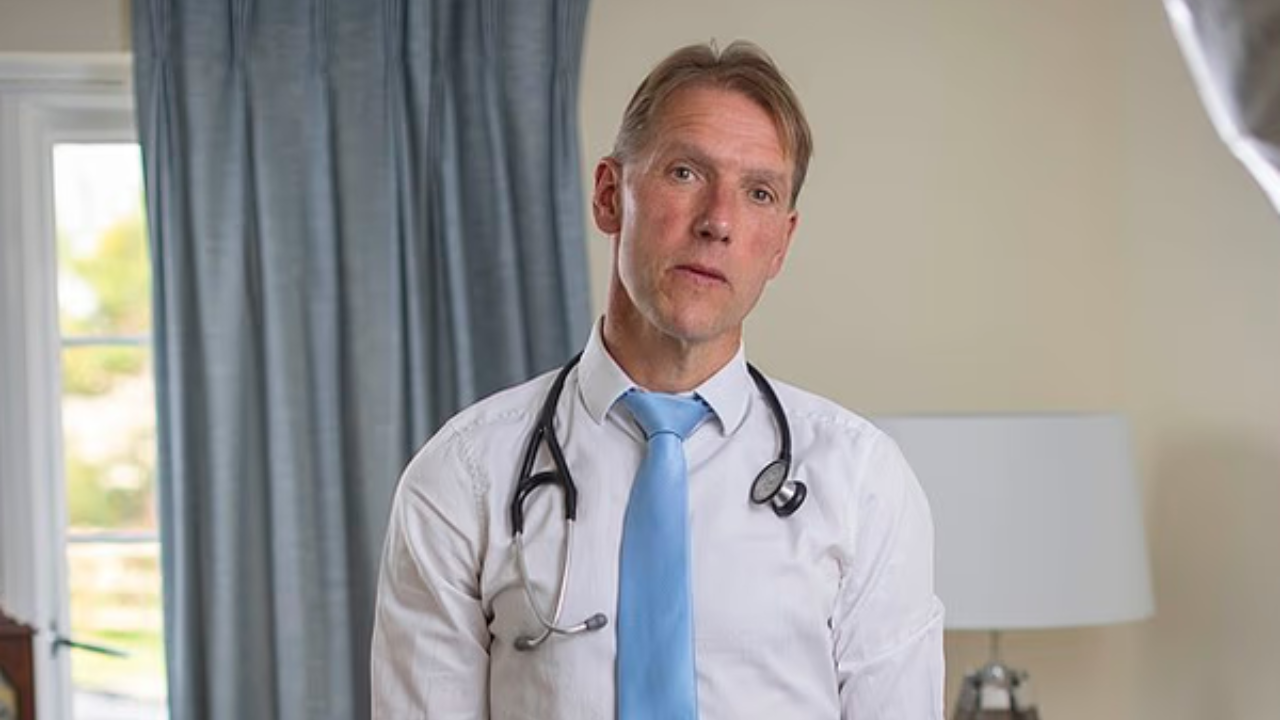
Dr. Keith Wolverson sat in a room that smelled of stale coffee and clinical detachment, listening to the sound of his own professional execution. To the Medical Practitioners Tribunal Service (MPTS), he was a series of documented failures. To the public, he was a headline about a niqab. But to the man sitting in that chair, he was a physician who had spent decades navigating the messy, visceral reality of human illness—only to find himself undone by the very communication he swore to protect.
Medicine is a sensory craft. We listen for the hitch in a lung, feel for the rigidity of an abdomen, and, perhaps most importantly, we watch. We watch the flicker of a lip to gauge pain. We watch the tightening of a jaw to sense fear. When Dr. Wolverson asked a Muslim patient to remove her niqab at the Royal Derby Hospital in June 2018, he claimed he couldn't understand her. He said her daughter’s throat infection required a clarity of speech that the fabric muffled.
The patient disagreed. The world disagreed. The resulting firestorm wasn't just about a piece of clothing; it was about the point where cultural sensitivity meets clinical necessity, and what happens when a doctor loses the room.
The First Death of a Career
The initial fallout was swift. Wolverson wasn't just criticized; he was investigated, scrutinized, and eventually suspended. The General Medical Council (GMC) moved with the heavy, grinding gears of bureaucracy. In 2022, they found his actions "deplorable." They pointed to his insistence—asking three times for the veil to be removed—as a failure of respect.
Imagine the silence of a surgery after the patients leave. It is a vacuum. For a man defined by the rhythm of 10-minute consultations and the frantic energy of an Urgent Care Centre, that silence was a physical weight. He was a doctor who could no longer practice medicine.
Yet, the story didn't end with a suspension. This is where the narrative shifts from a debate over religious dress to a study in human desperation and the refusal to let go.
The Ghost in the Locum Office
The rules were clear. Dr. Wolverson was suspended. He was a non-entity in the eyes of the NHS. But the habit of being a doctor is a difficult ghost to exorcise. It is a skin you cannot simply peel off because a committee tells you to.
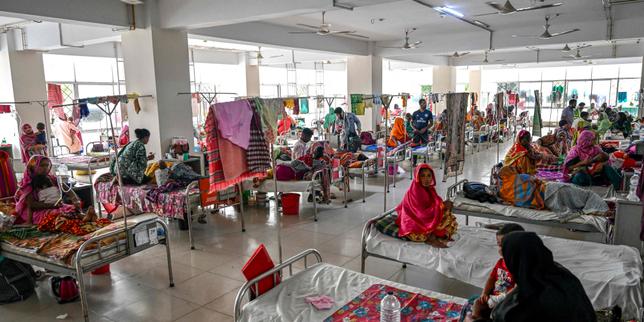
Between January and April 2023, while the ink on his suspension was still wet, Wolverson did something that would ensure he never wore a stethoscope again. He worked. He didn't just work; he worked under the radar, taking on locum shifts at several hospitals and clinics, including locations in Stoke-on-Trent and Birmingham.
He didn't do this by forging complex identities. He did it by omission. He stepped into the chaotic, understaffed wards of a struggling healthcare system and filled a gap. In those moments, he wasn't the "niqab doctor." He was just a pair of hands. A set of eyes. A prescription pad.
The tragedy of this choice lies in its inevitability. A man who believes he has been wronged by the system often feels he owes that system no further obedience. He treated patients while the GMC’s database had him flagged in red. He bypassed the safeguards meant to protect the public, not out of a desire to harm, but out of a stubborn, perhaps arrogant, belief in his own utility.
The Mechanics of the Deception
How does a suspended doctor walk into a hospital and start seeing patients? The answer lies in the cracks of a fractured system.
- The Locum Gap: Hospitals are desperate. Agencies are under pressure. Sometimes, the check is a glance rather than a deep dive.
- The "Pending" Purgatory: During appeals and overlapping hearings, status updates can lag.
- Pure Audacity: Wolverson knew he was suspended. He knew the risk. But the drive to remain relevant—to remain "Doctor"—overrode the instinct for self-preservation.
When the MPTS eventually caught up with him for these unauthorized shifts, the tone of the proceedings changed. It was no longer a conversation about cultural nuances or "poor communication." It was about integrity. The tribunal noted that he had "dishonestly" failed to disclose his suspension to the healthcare providers.
Trust is the invisible currency of the exam room. When a patient sits on that crinkly paper sheet, they are making a silent pact. They trust that the person in the white coat is who they say they are, and that they have the legal right to be there. By working while suspended, Wolverson didn't just break a rule; he spent currency that didn't belong to him.
The Final Strike
The most recent hearing in Manchester wasn't a debate. It was a formal closing of the book. The tribunal ruled that his conduct was "fundamentally incompatible with continued registration."
Erasure.
They struck him off the medical register. Permanently. The man who fought to see a patient’s face ended up losing his own professional identity entirely.
There is a profound irony in the arc of Keith Wolverson. He began his downfall by insisting on "clear communication" in a Derby consulting room. He ended it by choosing a path of profound silence and deception, hiding the truth of his suspension from the colleagues he worked alongside.
The debate surrounding the niqab in medical settings continues to simmer, caught between the poles of religious freedom and clinical clarity. There are guidelines now, clearer than they were in 2018, emphasizing that while communication is vital, it must be achieved through empathy and alternative means—writing notes, using female staff, or simply listening harder.
But for Wolverson, the guidelines no longer matter. He is a cautionary tale about the ego of the practitioner. It is a story about what happens when a healer decides that their right to practice is more important than the rules that govern the healing art.
He is no longer a doctor. He is a man who used to be one, standing outside the doors of a profession that finally, irrevocably, stopped listening to him.
The corridors of the Royal Derby Hospital move on. The shift changes. New doctors walk in, adjusting their badges, mindful of the faces they see and the ones they don't. The system, though bruised, remains. But in the quiet suburbs where a former physician now sits, the silence is finally absolute.