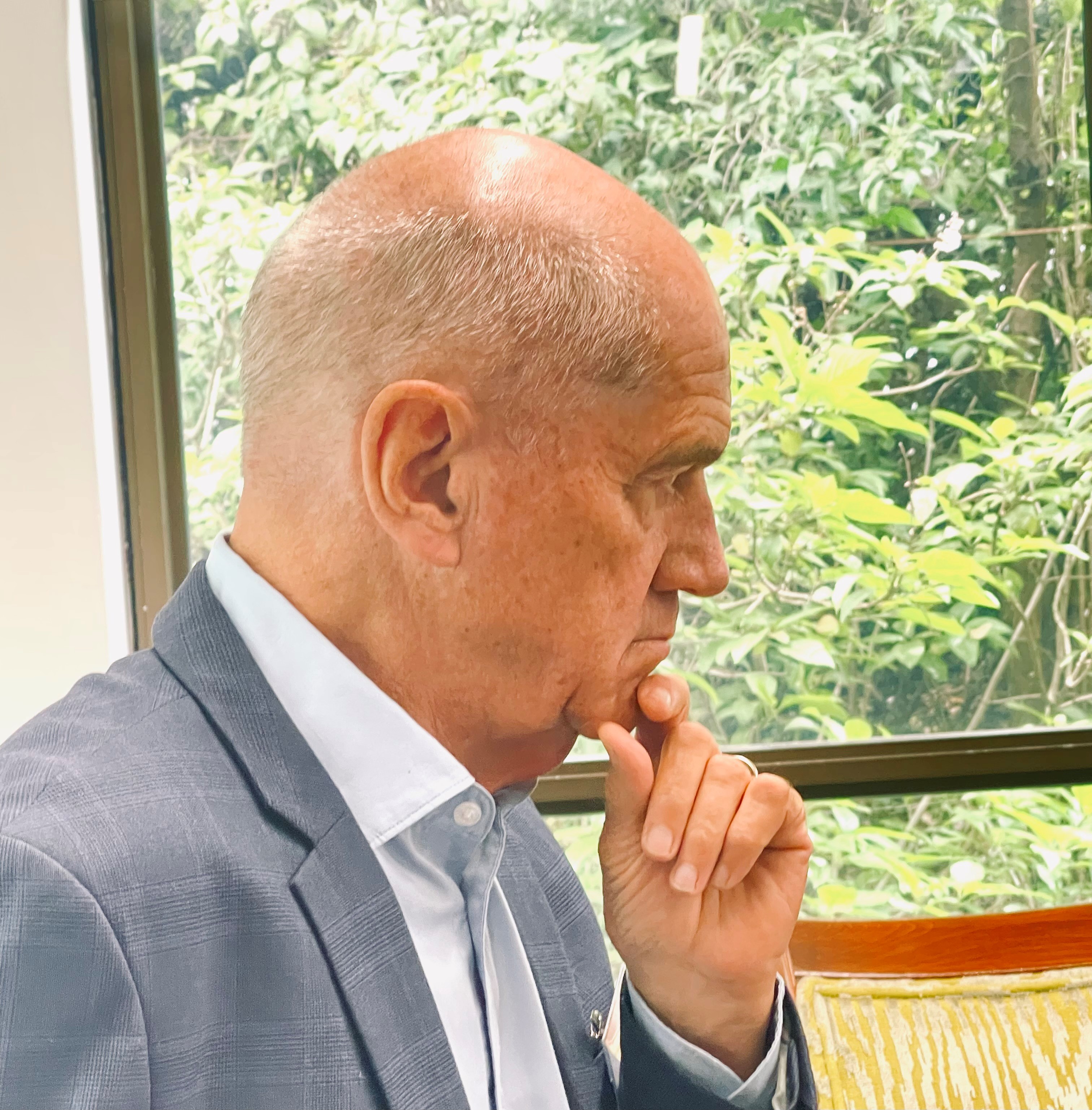
The silence is heavy today. Felipe Staiti, the legendary guitarist and the heart of Enanitos Verdes, has died at 64. For anyone who grew up with the jagged, emotional riffs of Lamento Boliviano or the yearning melody of Luz de Día, this isn't just a news headline. It's a gut punch. We're losing the architects of the soundtrack to our lives, and Staiti was a cornerstone of that foundation.
He wasn't just a guy with a guitar. He was the sonic identity of a movement that proved Spanish-language rock could be as gritty, sophisticated, and enduring as anything coming out of London or Los Angeles. When Marciano Cantero passed away in 2022, many thought the band would simply fold. But Staiti stepped up. He took over lead vocals. He kept the flame burning because he knew the music belonged to the fans as much as it did to him. Now, that era feels like it’s reaching a somber, definitive close.
Why Felipe Staiti was the soul of Enanitos Verdes
Most people think of Enanitos Verdes and immediately hear Marciano’s voice. That’s fair. But if you strip away the vocals, you’re left with the DNA of their sound: Staiti’s guitar. He had this incredible ability to blend bluesy grit with pop-rock precision. He never overplayed. Every note had a purpose.
Think about the solo in La Muralla Verde. It’s simple but iconic. It sticks in your head for decades. That was his gift. He didn't need to be the fastest shredder in the room to be the most effective musician on the stage. He understood the "less is more" philosophy better than almost anyone in the Latin American scene.
After Marciano died, Staiti faced a choice. He could retire the name and go home to Mendoza. Instead, he chose to carry the weight. It wasn't about the money. He had plenty of that. It was about the legacy of a band that started in 1979 and became one of the most-streamed Latin rock groups in history. He transitioned into the role of frontman with a grace that few expected. It was raw. It was different. But it was honest.
The Mendoza roots that shaped a global icon
You can't talk about Felipe without talking about Mendoza, Argentina. The city is famous for its wine, but for rock fans, it's the birthplace of a legend. The band started small, playing local gigs and building a reputation for being tight, professional, and catchy. They weren't trying to be the next Soda Stereo. They were just being themselves.
Staiti always maintained that local connection. Even as the band toured the world and filled stadiums in Mexico and the US, he remained grounded. That humility translated into his music. There was no ego in his playing. He was a servant to the song.
His death at 64 feels premature. It feels unfair. Musicians of his caliber often have another twenty years of touring and "legacy" shows in them. Seeing him go now leaves a massive void in the touring circuit, especially for the festivals that rely on the nostalgia and power of 80s and 90s rock en español.
The technical brilliance behind the riffs
Staiti was a gear nerd in the best way. He knew how to pull tones out of a Fender Stratocaster that felt like they were weeping. He often talked about his influences—the greats like Clapton and Hendrix—but he filtered them through an Argentine lens. He added a certain romanticism that is unique to the southern cone of South America.
- The phrasing: He used space effectively. He let the notes breathe.
- The transition: Moving from guitarist to vocalist requires a mental shift most can't handle. Staiti managed it by focusing on the emotion of the lyrics rather than trying to mimic Marciano.
- The consistency: In over four decades, the quality of his live performances never dipped. He was a professional to the core.
When you listen to Tu Cárcel, you hear that clean, melodic line that drives the whole track. That’s Staiti. He understood that a great rock song needs a hook that a grandmother and a teenager can both hum. He delivered those hooks consistently for forty-five years.
How the industry is reacting to the loss
The outpouring of grief from the music community has been immediate. From younger bands who grew up covering Enanitos in their garages to contemporaries who shared the stage with them at massive festivals like Viña del Mar, the sentiment is the same: Felipe was a gentleman.
He wasn't a drama magnet. You didn't see him in the tabloids for the wrong reasons. He was respected because he respected the craft. He was the guy who would hang out after a show and talk shop with the local roadies. That kind of character is rare in an industry built on vanity.
His passing marks more than just the death of a musician. It marks the end of an era of "trio" dynamics that defined a specific sound. The chemistry between him and Marciano was the engine of the band. Without both of them, the Enanitos Verdes name will likely be retired, and frankly, it should be. You can't replace that kind of history.
What we should do to honor his memory
Don't just post a "RIP" on social media. That's cheap. If you want to actually honor what Felipe Staiti built, go back to the records. Put on Big Bang or Habitaciones Extrañas. Listen to the nuances in the guitar work.
We often take these legends for granted until they're gone. We assume they'll always be there to play the hits at the local amphitheater every summer. Staiti’s death is a reminder that the window is closing on the first generation of Latin rock icons.
Go see the bands you love now. Don't wait for the "farewell tour." Support the venues that host live music. Staiti started in small clubs, and without those spaces, we don't get the next Enanitos Verdes.
His legacy isn't just in the recordings. It's in every kid in Latin America who picks up a guitar because they heard a riff that made them feel something they couldn't put into words. Felipe Staiti lived a life of melody. The best way to respect that is to keep the music loud.
Listen to the 1994 live version of Lamento Boliviano. Pay attention to the solo at the end. That is the sound of a man who knew exactly who he was and what he wanted to say to the world. He said it well.