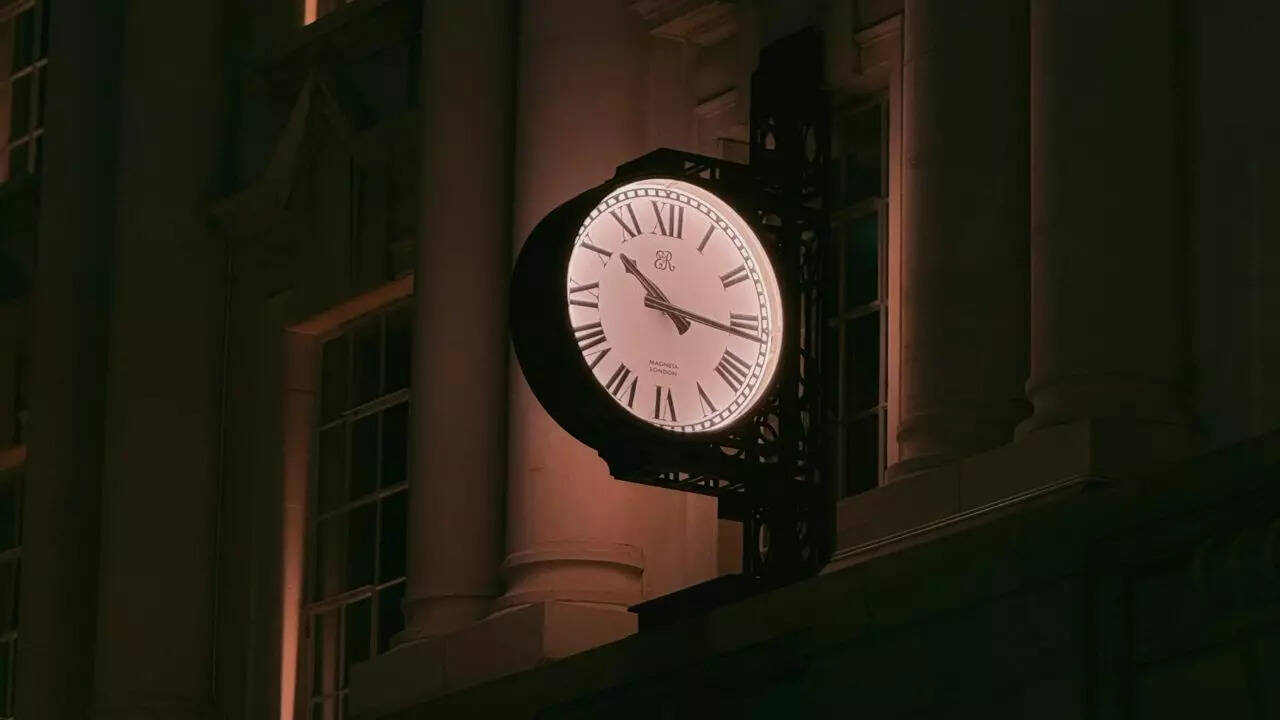
Daylight Saving Time (DST) functions as a centralized, non-consensual temporal shift designed to align human activity with solar cycles, yet it creates a systemic "social jetlag" that decouples biological rhythms from local clock time. The transition is not merely a matter of losing an hour of sleep; it is a forced synchronization event that triggers measurable volatility in public health, labor productivity, and energy consumption. While political debate focuses on the binary choice between Permanent Standard Time and Permanent Daylight Saving Time, the underlying friction is the mismatch between the 24-hour solar day and the rigid demands of modern industrial and digital infrastructure.
The Mechanistic Failure of Circadian Alignment
The human biological clock is governed by the suprachiasmatic nucleus (SCN), which relies on "zeitgebers"—external cues, primarily sunlight—to regulate the release of melatonin and cortisol. When the clock is advanced by 60 minutes in the spring, it creates an immediate Phase Delay. The body remains tethered to the previous solar schedule while the environment demands a premature start to the work cycle.
This misalignment is not a one-day anomaly. Research into "social jetlag" suggests that for many individuals, the internal clock never fully adjusts to the DST shift. The biological preference for Standard Time exists because it more closely aligns midday with the sun’s highest point. Moving to DST pushes that solar noon further away, forcing individuals to wake up in biological darkness. This suppresses the morning light exposure necessary to "reset" the SCN, leading to a chronic state of circadian misalignment that persists until the clocks revert in autumn.
The Cardiac and Neurological Cost Function
The "Spring Forward" event serves as a natural experiment in acute sleep deprivation. The data identifies specific spikes in physiological failure immediately following the transition:
- Acute Myocardial Infarction (AMI): Studies have consistently shown a 24% increase in heart attack risk on the Monday following the spring shift. The mechanism is likely a combination of increased sympathetic nervous system activity and the inflammatory response triggered by sudden sleep loss.
- Ischemic Stroke: Similar trends appear in neurology, with an 8% increase in stroke rates during the first two days of the transition.
- Vigilance Decrement: The cognitive load required to maintain focus increases as sleep pressure builds. This manifests in a "Cyberloafing" spike, where employees spend significantly more time on non-work-related internet activities due to a lack of self-regulatory resources.
The Energy Paradox and Economic Dissociation
The original 20th-century justification for DST was energy conservation, predicated on the idea that shifting daylight to the evening would reduce the need for artificial lighting. In a contemporary context, this logic has inverted due to changes in climate control technology and the ubiquity of low-power LED lighting.
The Indiana Case Study and Thermal Loads
A landmark study in Indiana, which transitioned to statewide DST in 2006, revealed that while lighting demand decreased, the demand for air conditioning increased. The extra hour of sunlight in the evening keeps residential temperatures higher during the hours when people return home, forcing HVAC systems to work harder to reach a comfortable baseline. The net result was a 1% increase in residential electricity bills, totaling roughly $9 million annually for the state.
This creates a Thermal Deficit: any savings gained from extinguished lightbulbs are cannibalized by the cooling requirements of a modern service economy. In warmer climates, the "Daylight Saving" moniker is a misnomer; it is effectively "Heat Accumulation Time."
Labor Market Friction and Fatalities
The economic impact extends to fatal externalities. Analysis of the Fatality Analysis Reporting System (FARS) indicates a 6% increase in fatal motor vehicle accidents in the week following the spring transition. The logic is a dual-threat model:
- Driver Impairment: Acute sleep deprivation reduces reaction times comparable to low-level alcohol intoxication.
- Visual Misperception: The sudden change in ambient light levels during peak commuting hours creates "glare windows" or unexpected darkness that drivers' eyes have not acclimated to over the preceding weeks.
The Legislative Gridlock of Permanent DST
The United States has attempted to solve this volatility before. In 1974, during the energy crisis, the U.S. implemented year-round DST. The experiment was intended to last two years but was repealed within eight months. The failure was driven by a single variable: winter morning darkness.
The "Dark Morning" Bottleneck
Under Permanent DST, northern latitudes would not see sunrise until nearly 9:00 AM in December and January. This creates a significant safety risk for school-aged children and outdoor laborers. The political "Sunshine Protection Act," which seeks to make DST permanent, ignores this historical precedent.
If the goal is to eliminate the twice-yearly shift, the choice is between Permanent Standard Time (natural) and Permanent DST (artificial). Permanent Standard Time is favored by the American Academy of Sleep Medicine because it maximizes morning light, which is essential for synchronization. Permanent DST is favored by retail and outdoor recreation lobbies because evening light correlates with increased consumer spending—a phenomenon known as the "Barbecue Economy."
Quantifying the Strategic Trade-off
To analyze the path forward, we must categorize the stakeholders into three distinct tiers of interest:
- Public Health/Sleep Science: Prioritizes Permanent Standard Time to minimize the risk of cancer, metabolic syndrome, and obesity linked to chronic circadian disruption.
- Commerce and Retail: Prioritizes Permanent DST to extend the shopping and outdoor dining window, effectively using daylight as a subsidy for the leisure industry.
- The Industrial/Education Sector: Prioritizes the elimination of the "transition shock" to maintain baseline safety and productivity, largely indifferent to which time is chosen as long as it remains static.
The Latitudinal Variable
The impact of DST is not uniform; it is a function of latitude. Cities further north (e.g., Seattle or Minneapolis) experience more radical swings in daylight duration than southern cities (e.g., Miami or Phoenix). A national, "one-size-fits-all" temporal policy creates geographical winners and losers.
In Seattle, a permanent DST would mean sunrise occurs at 8:57 AM in late December. In Miami, it would occur at 8:06 AM. The "social cost" of the policy is significantly higher for the northern population, yet the federal mandate prevents states from adopting Permanent DST independently, though they are permitted to opt-out into Permanent Standard Time (as Hawaii and Arizona have done).
The Path to Temporal Optimization
The current biannual shift is an archaic solution to a problem that no longer exists in a 24/7 digital economy. To mitigate the structural damage caused by the clock change, organizations and individuals must adopt a data-driven approach to temporal management.
Organizational Protocol for the Transition Week
Given the 24% increase in AMI and the 6% increase in fatal accidents, the following mitigations should be integrated into corporate safety and operations:
- Variable Start Times: Allow for a 60-minute "flex window" during the first three days of the spring transition to allow employees to prioritize sleep hygiene over clock compliance.
- Cognitive Load Management: Schedule high-stakes decision-making, surgical procedures, or heavy machinery operation for the week prior to or two weeks after the shift.
- Environmental Light Priming: Utilize high-intensity blue-enriched lighting in workplaces during the morning hours of the transition week to force-advance the circadian clock and counteract morning darkness.
Individual Adaptation Framework
To bridge the gap between the internal clock and the mandated time, a three-day "phase-advance" strategy is necessary.
- Day -3: Advance wake-up time by 20 minutes and maximize immediate light exposure.
- Day -2: Advance another 20 minutes.
- Day -1: Reach the target wake-up time.
The objective is to spread the 60-minute shock across 72 hours, reducing the cortisol spike associated with the Monday morning alarm.
The persistence of the DST shift is a failure of policy to catch up with biological and economic reality. The data suggests that the "savings" are non-existent, and the "costs" are paid in human health and lives. The only logical conclusion is the adoption of a static time system. Between the two options, Permanent Standard Time offers the lowest friction for human biology, while Permanent DST offers a marginal boost to the retail sector.
Strategic planning must now account for the reality that as long as the switch remains, the second week of March represents a period of peak systemic fragility. Organizations should treat the DST transition as a predictable maintenance window for the human element, reducing expectations and increasing safety protocols to offset the unavoidable biological deficit.
Would you like me to analyze the specific economic impact of the DST transition on a particular industry, such as logistics or healthcare?