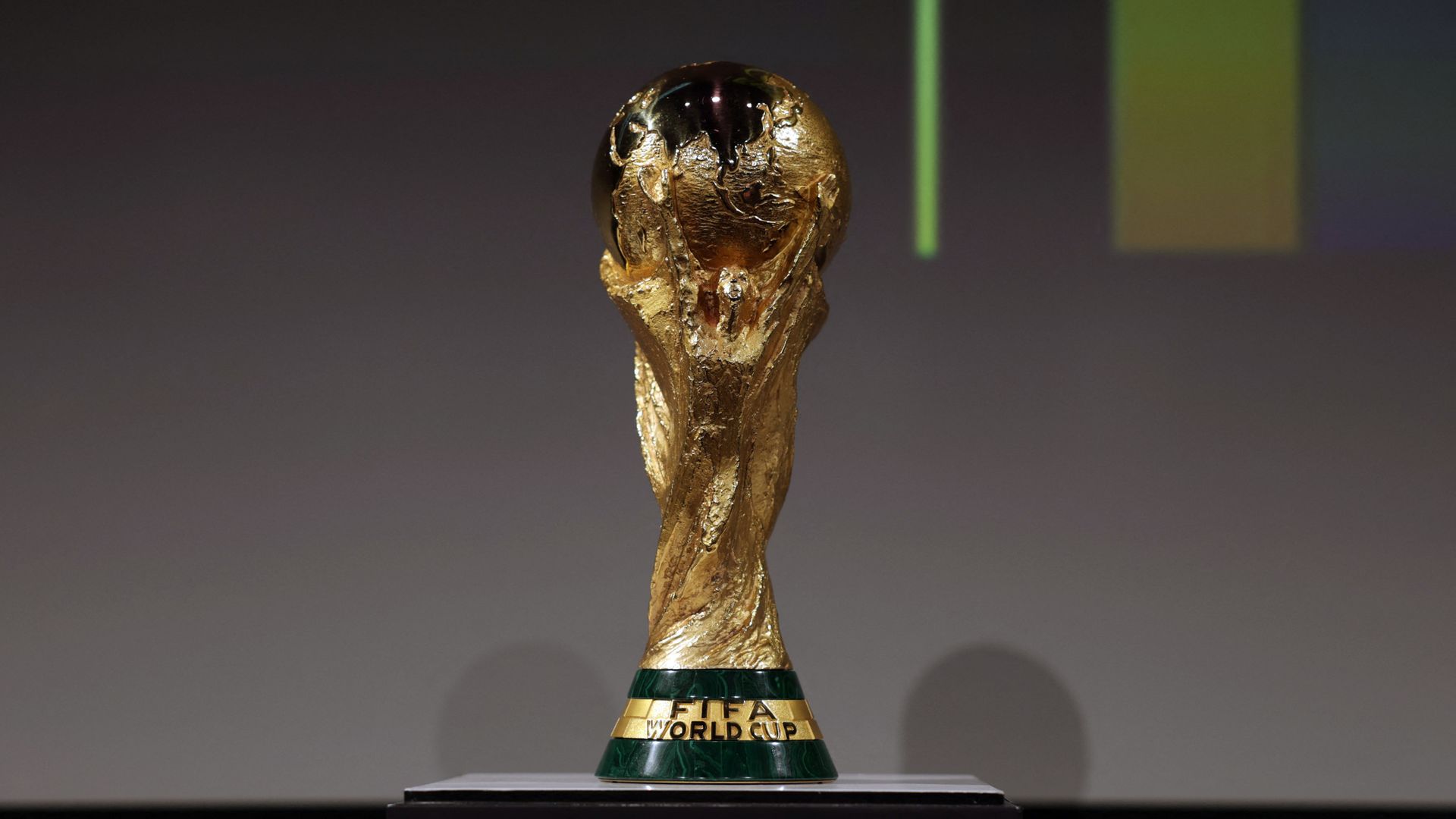
Ottawa just patted itself on the back for a move that carries the geopolitical weight of a paper airplane in a hurricane. By denying visas to Iranian soccer officials for a FIFA meeting ahead of the World Cup, the Canadian government didn't "hold a regime accountable." It engaged in a low-stakes PR stunt that actually undermines the very international standards it claims to defend.
The mainstream press is eating it up. They frame this as a moral victory—a stern rebuke of a state with a horrific human rights record. They’re wrong. This isn’t diplomacy; it’s an administrative tantrum that exposes Canada’s lack of a coherent strategy in the Middle East. If you want to change a regime, you use sanctions, back-channel intelligence, and multilateral pressure. You don't hide behind a visa processing desk and pretend you’ve saved the world.
The Myth of the Moral Visa
The "lazy consensus" suggests that hosting international sports officials is a privilege granted by the host nation based on the guest's moral resume. This is a fundamental misunderstanding of how international organizations work. When a country bids to host FIFA events or Olympic summits, they sign onto a framework of neutrality.
I have seen dozens of these high-level summits stall because a host nation decided to play "Border Patrol Hero." Every time it happens, it weakens the host's credibility as a global hub. When you weaponize the visa process for a sporting convention, you aren't hurting the Iranian Revolutionary Guard. You are telling the world that Canada is an unreliable venue for international discourse.
If we only allow people we like to attend global meetings, we aren't having global meetings. We’re having an echo chamber with expensive catering.
FIFA is Not the UN (And That’s the Problem)
Let’s be brutally honest about the targets here. We aren't talking about blocking the head of a nuclear program. We are talking about soccer bureaucrats. These are people whose primary "crimes" in the context of this meeting involve arguing over broadcast rights, group stage seeding, and ticket allocations.
By blocking these individuals, Canada achieves two things, both of which are negative:
- The Victim Complex: It gives the Iranian state a gift-wrapped opportunity to cry "Western interference" and "politicization of sport" to their domestic audience.
- The Precedent: It signals to every other "problematic" nation that they should avoid holding events in Western democracies because the rules of entry change based on the news cycle.
If the goal was to support the Iranian people, how does preventing a soccer official from sitting in a Marriott ballroom in Vancouver achieve that? It doesn’t. It’s a cheap thrill for the domestic voter base that wants to feel like "we did something" without actually doing anything that carries a cost.
The Hypocrisy of Selective Outrage
If Canada wants to use visa denials as a tool for moral purging, the list of banned officials should be a mile long. Why stop at Iran?
- Where were the blocks for officials from nations involved in the catastrophic humanitarian crisis in Yemen?
- Why do we roll out the red carpet for representatives of states that crack down on dissent in Southeast Asia or North Africa?
The answer is simple: Iran is an easy target. It’s "safe" to ban Iranians because there is no significant trade lobby in Ottawa fighting for them. It’s a bravery of convenience. True foreign policy involves making hard choices that might actually hurt your own bottom line. This cost nothing, so it’s worth nothing.
Dismantling the "Safety and Security" Defense
The government often hides behind the "security risk" label when these denials go public. Let’s look at the logic. Is the Canadian intelligence apparatus so fragile that a handful of middle-aged soccer administrators poses a threat to national security?
Of course not. If they were a threat, they’d be watched, or better yet, interrogated. Denying the visa is the easy way out. It’s the bureaucratic equivalent of ghosting a "problematic" friend because you’re too scared to have a real conversation.
The High Cost of Petty Wins
There is a technical term for this in international relations: Diplomatic Friction. When you create friction over trivialities, you burn through the social capital you need for the big fights.
Imagine a scenario where Canada actually needs to negotiate the release of a detained citizen or coordinate on regional stability. Do you think the Iranian side is going to be more or less cooperative after their sports delegation was publicly humiliated over a technical meeting?
We are trading long-term diplomatic leverage for a forty-eight-hour news cycle of "Canada stands firm." It’s a bad trade. It’s a move made by people who prioritize Twitter engagement over real-world outcomes.
Why the "Sports and Politics" Divide Matters
We love to say "keep politics out of sports," but we only mean it when the politics are inconvenient for us. When we use sport as a cudgel, we destroy one of the last remaining avenues for low-level engagement between hostile nations.
FIFA is a corrupt, bloated mess—no one is arguing otherwise. But it provides a structured environment where people from opposing regimes have to sit in a room and agree on the size of a goalpost. That is a microscopic win for civilization. When Canada breaks that structure, they aren't fixing FIFA or Iran. They are just breaking the room.
The Actionable Reality
If you actually care about the geopolitical situation in the Middle East, stop cheering for visa denials.
- Demand Real Sanctions: Support targeted economic measures that hit the leadership's pockets, not their soccer schedules.
- Support Underground Networks: Advocacy for human rights should be done through organizations that provide actual aid, not through the Department of Immigration.
- Recognize Performance: Start calling out these "heroic" denials for what they are: a distraction from a lack of actual policy.
Canada is a G7 nation. We should act like one. Act like a country that can handle the presence of a few foreign officials without our moral fabric unraveling. Act like a country that understands that the world is messy, and you don't clean it up by refusing to let the janitor in the building.
Stop pretending that a "No Entry" stamp is a blow against tyranny. It’s just paperwork.
Keep your eye on the next move. When the World Cup actually arrives, and the world is watching, Ottawa will likely fold and let everyone in because the FIFA contracts will finally have teeth. This current "stand" is only happening now because the stakes are low and the cameras aren't fully zoomed in.
This is the definition of a hollow gesture. It’s loud, it’s empty, and it changes nothing on the ground in Tehran.