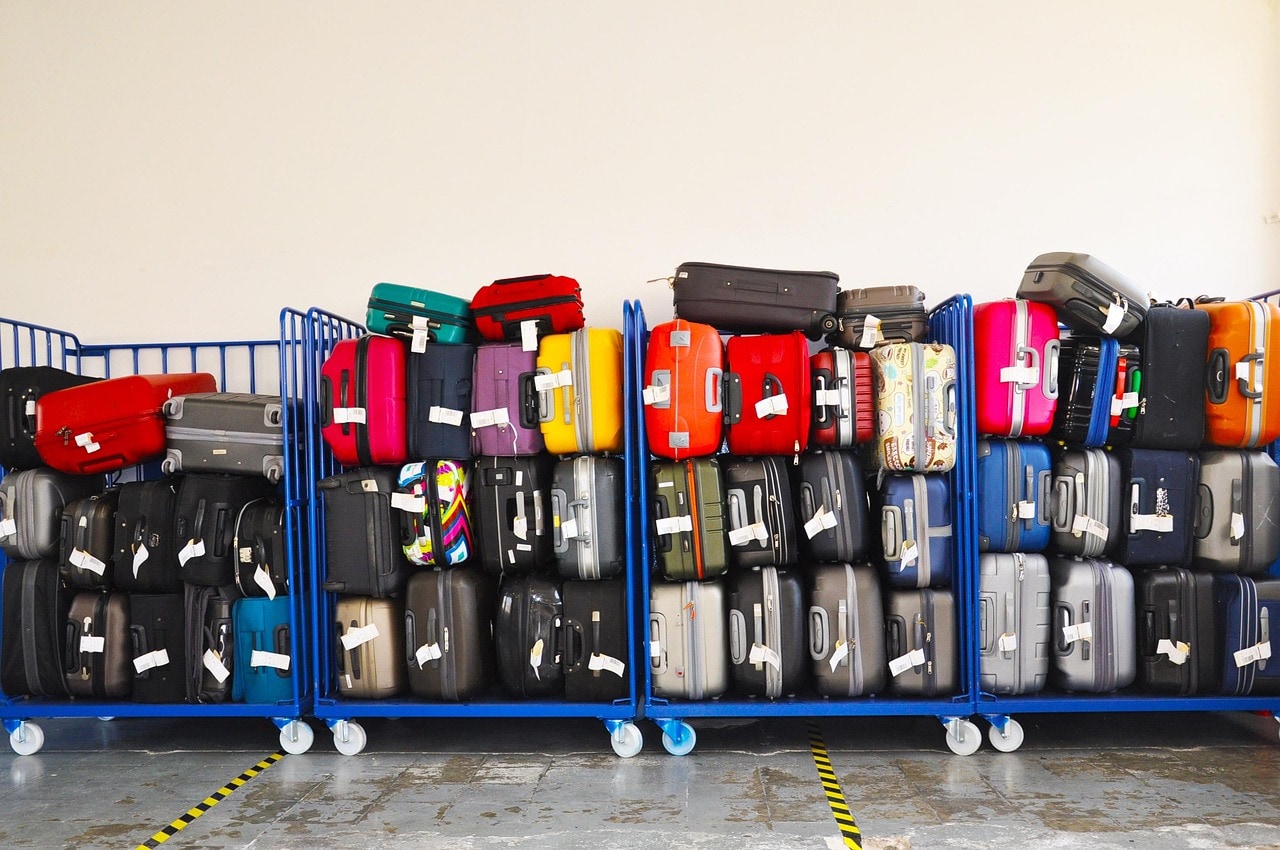
Checking a bag on a domestic flight used to be a predictable $25 nuisance. Today, that same piece of luggage will likely cost you $50 at the airport counter, a 100% increase that has quietly outpaced inflation while transforming the very nature of air travel. In April 2026, the industry reached a tipping point as American Airlines, United, Delta, and even the formerly bag-friendly Southwest coordinated a massive upward shift in their fee structures.
While the airlines point toward a sudden 132% spike in jet fuel costs driven by the Middle East conflict and shipping disruptions in the Strait of Hormuz, the math suggests fuel is merely the convenient catalyst for a much deeper financial restructuring. This isn't just about covering the cost of kerosene. It is a calculated move to force passengers into high-margin credit card ecosystems and "prepaid" digital behaviors that give airlines better cash flow and more data than ever before.
The Fuel Smoke Screen
When jet fuel prices hit $209 per barrel this month, the industry's largest expense doubled almost overnight. For a carrier like Delta, that translates to a potential $2 billion increase in the annual fuel bill. On the surface, raising baggage fees by $10 or $15 seems like a logical way to recoup those costs. However, baggage fees have a unique accounting advantage over ticket prices.
Unlike base airfares, ancillary fees are not subject to the federal 7.5% excise tax. Every dollar an airline collects for a checked suitcase is a "clean" dollar, whereas a dollar added to a ticket price is immediately shaved down by the government. By shifting the cost of the journey from the seat to the suitcase, airlines are effectively bypassing millions in tax obligations while maintaining the appearance of competitive base fares on search engines.
The timing is also suspect. Southwest Airlines, which famously spent decades and millions of marketing dollars on the "Bags Fly Free" mantra, finally surrendered that advantage in May 2025. Now, in 2026, they have joined the legacy carriers in charging $45 for a first bag. When the last holdout falls, the "market rate" is no longer a competition; it is a consensus.
The Forced Loyalty Economy
Look closely at the new fee charts and you will notice a consistent $5 to $10 gap between "prepaid" bags and airport counter prices. This is not a discount for the traveler; it is a penalty for the uninitiated.
Airlines are desperate to get passengers onto their proprietary apps hours or days before departure. A passenger who opens the app to pay for a bag is a passenger who can be served targeted advertisements, seat upgrade offers, and credit card solicitations. The baggage fee has become the "hook" to ensure digital engagement.
More importantly, these fees are designed to be avoided—but only by the right people.
- The Credit Card Trap: Most major carriers waive the $50 fee if you carry their co-branded credit card.
- The Elite Tier: Frequent flyer status remains the only way to bypass the gouging.
- The Basic Economy Squeeze: For those on the lowest fares, even a carry-on bag is now a billable event on some carriers, with gate-check "handling surcharges" reaching as high as $100.
The strategy is clear: make the experience of being a standard passenger so expensive and friction-filled that the only rational choice is to sign up for a high-interest credit card or pay a premium for "Main Cabin" status. The suitcase has been weaponized as a tool for customer acquisition.
The Transparency Paradox
In 2024, the Department of Transportation (DOT) implemented a final rule requiring airlines to disclose "critical ancillary fees" upfront. The goal was to prevent sticker shock at the end of the booking process. In practice, this has led to a cluttered search experience where the "true" price of a flight is buried under a dozen different permutations of baggage, seat, and cancellation options.
The airlines have responded by leaning into dynamic pricing. Much like the price of the seat itself, baggage fees are increasingly fluctuating based on the date of travel, the route, and even how many other people on the same plane have already checked a bag. JetBlue led the charge on this "peak pricing" model, where a bag during a holiday weekend can cost significantly more than on a random Tuesday in October.
This variability makes it nearly impossible for the average consumer to budget for a trip with any precision. You aren't just buying a flight; you are entering a complex financial negotiation where the rules change based on the algorithm of the day.
Operational Realities vs Revenue Goals
There is a physical cost to moving luggage. A heavier plane burns more fuel. Ground crews require labor, and sorting systems require maintenance. Yet, these costs are largely fixed or incremental. The jump from a $35 bag fee to a $50 fee represents pure profit margin that far exceeds the additional fuel burn of a 50-pound suitcase.
The industry is currently projecting record ancillary revenues of over $160 billion for 2026. Roughly 34% of that comes from baggage alone. This revenue stream is what allows airlines to survive periods of high oil prices without going bankrupt, but it also creates a perverse incentive. The more miserable and expensive it is to check a bag, the more "value" the airline can claim to provide through its loyalty programs.
Travelers are left with a grim set of choices: pay the $50, pack everything into a tiny personal item, or surrender their financial data to a co-branded Visa. The golden age of the all-inclusive airfare is dead. In its place is a fragmented, fee-driven model where your luggage is the most profitable thing on the airplane.
If you are flying this year, assume the "base price" you see on a travel site is a fiction. The real price starts at the check-in kiosk. Use the airline's app to pay for your bags at least 24 hours in advance to avoid the "airport tax," and verify your credit card benefits before you head to the terminal. The era of the $100 round-trip suitcase is here, and it isn't going away even if fuel prices drop.