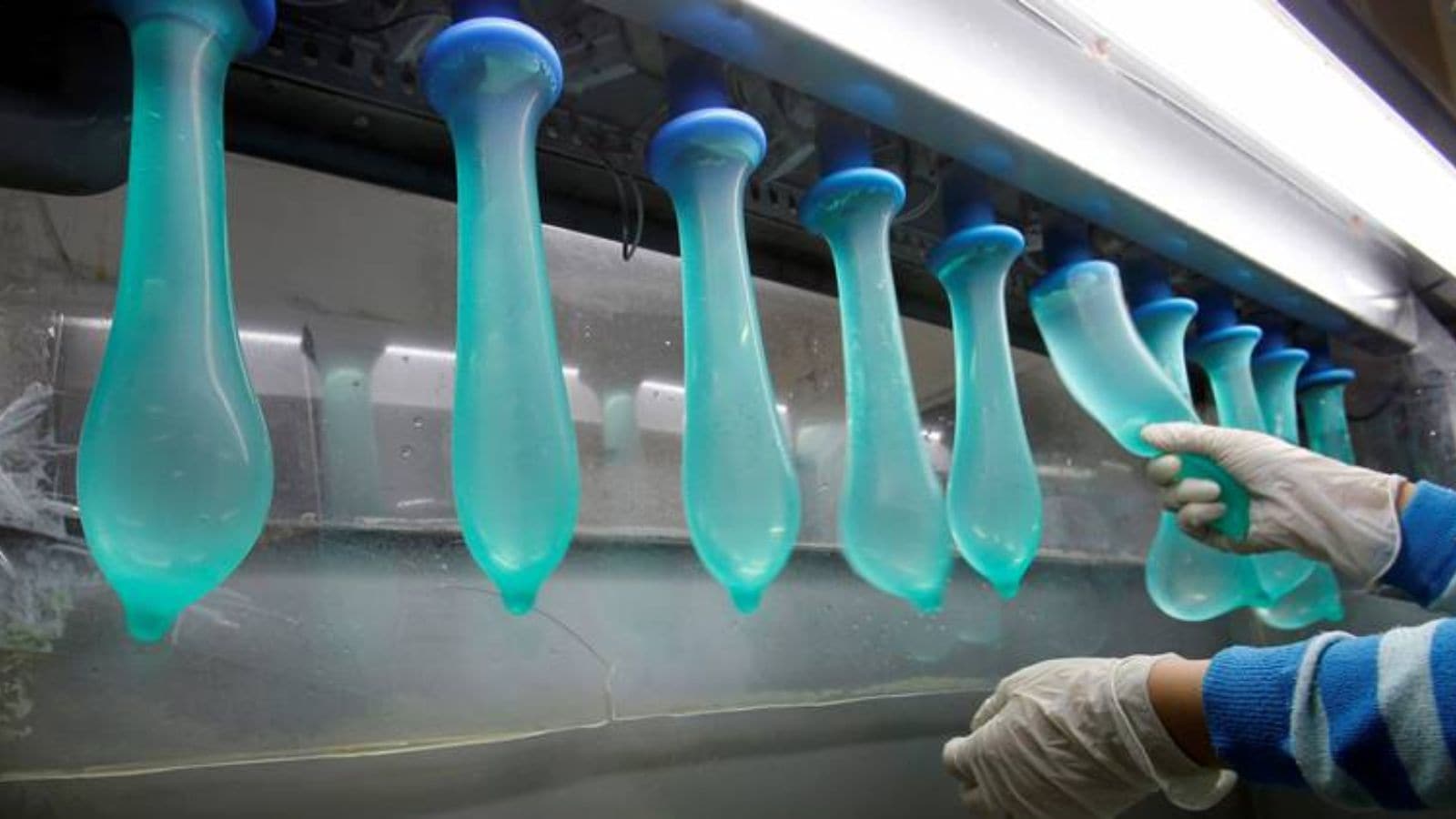
The world is about to pay a steep premium for basic protection. Karex Bhd, the Malaysian industrial titan that manufactures one out of every five condoms on the planet, has confirmed it is hiking prices by 30%—and that is likely just the floor. While the headline figures point to a standard inflationary spike, the reality is a far more dangerous convergence of high-stakes geopolitics and a collapsing logistical bridge. The war involving Iran has effectively severed the arteries of the global contraceptive trade, turning a low-margin commodity into a high-stakes scarcity.
This is not a theoretical supply chain "hiccup." It is a structural failure. When the Strait of Hormuz becomes a combat zone, the impact is felt far beyond the oil markets. For the condom industry, it is a double-ended crisis: the cost of making the product is skyrocketing while the ability to move it has been cut in half. Also making news in related news: Gen Z Isn't Quitting Alcohol—They Are Just Refusing to Pay Your 400 Percent Markup.
The Petrochemical Trap
To understand why a regional war in the Middle East dictates the price of a condom in a pharmacy in Ohio or London, you have to look at the ingredients. Modern condoms are not just "rubber." They are complex chemical products. While natural latex comes from rubber trees in Southeast Asia, the rest of the bill of materials is heavily dependent on the petrochemical industry.
Karex CEO Goh Miah Kiat has been vocal about the spiraling costs of synthetic rubber, nitrile, and the silicone oil used for lubrication. These are all derivatives of the petroleum industry. Furthermore, the very packaging that keeps a condom sterile—aluminum foil—is seeing its own supply lines decimated. More details on this are explored by The Economist.
The mechanism is simple and brutal. As energy prices climb due to the conflict, every stage of production becomes more expensive.
- Raw Extraction: Higher fuel costs for latex collection.
- Refining: Increased electricity and gas costs for the energy-intensive vulcanization process.
- Additives: Shortages of anhydrous ammonia, a key stabilizer for natural rubber latex, which is currently seeing 40% price increases.
The industry operates on thin margins and high volumes. When costs jump by a third overnight, the manufacturer cannot absorb the hit. They pass it on, or they stop producing.
The Great Stockpile Collapse
The pricing crisis is being exacerbated by a massive, overlooked demand surge. This isn't because people are suddenly having more sex; it’s because the safety nets have vanished.
In 2025, a significant reduction in foreign aid—most notably from the U.S. Agency for International Development (USAID)—led to a drawdown of global condom stockpiles. For years, massive warehouses held millions of units intended for public health programs in developing nations and the UN-backed Global Fund. Those reserves are now depleted.
Now, as the war disrupts shipping, those same aid agencies and private brands are panicking. They are trying to restock at the exact moment that production is most expensive and shipping is most difficult. Karex has reported a 30% surge in demand this year alone. It is a classic "run on the bank," but the currency is latex.
Two Months at Sea
Shipping a container from Malaysia to Europe or the United States used to take roughly 30 days. That timeline has now doubled. Because of the insecurity in the Strait of Hormuz and the cascading effects on global maritime routes, shipments are taking nearly two months to reach their destination.
This creates a "phantom inventory" problem. Millions of condoms are currently sitting on vessels idling in the ocean or taking the long way around Africa. They are manufactured, they are paid for, but they are not on shelves. This lag creates local shortages, which in turn allows retailers to gouge prices even further than the 30% manufacturer increase.
The logistics crisis is particularly devastating for the non-latex market. Synthetic condoms made from polyurethane or nitrile rely on specialized chemical flows that are even more sensitive to Middle Eastern stability than the natural rubber trade.
The Public Health Fallout
While the business world watches the stock price of Karex, public health officials are watching the infection rates. The "inelasticity" of condom demand is a polite way of saying people need them to survive and stay healthy.
When prices jump 30%, the impact is not felt equally. In high-income markets, a few extra dollars per box is an annoyance. In the global south, where condoms are often distributed through price-sensitive NGOs or thin-margin local vendors, a 30% increase is a catastrophe. It means fewer units distributed, more unplanned pregnancies, and a projected spike in STI transmission.
The industry is currently in a defensive crouch. Karex produces five billion units a year for brands like Durex and Trojan, as well as the UK’s National Health Service. When the world's primary supplier says the situation is "fragile," it means the buffer has been used up. There is no plan B. There is no other factory on earth that can suddenly scale up to replace five billion units if the Malaysian lines or the Middle Eastern chemical supplies fail completely.
The situation is a grim reminder of how deeply globalized our most intimate products have become. A missile in the Persian Gulf can, with terrifying efficiency, dictate the availability of a basic health necessity in a rural clinic thousands of miles away.
The price of protection is no longer just a matter of retail economics. It is a casualty of war.