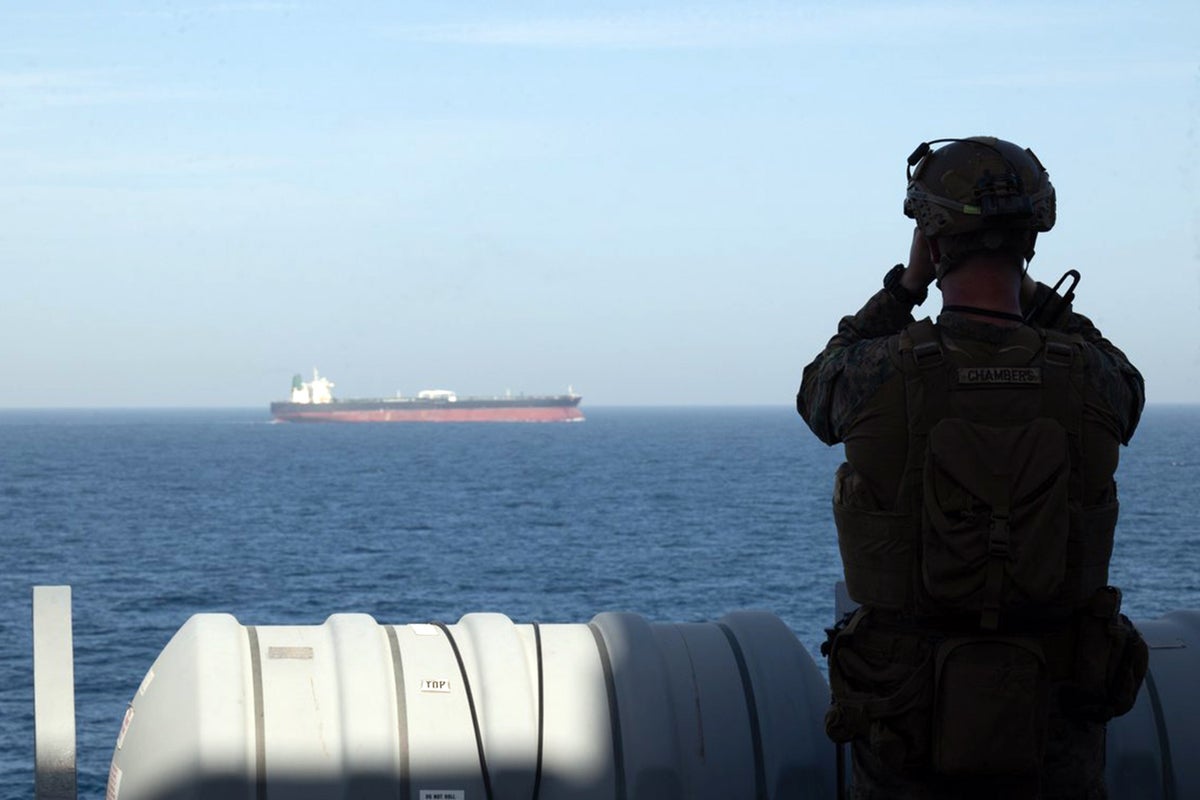
War has a way of stripping away the PR fluff and exposing the raw mechanics of global trade. As the conflict involving Iran and its proxies continues to choke the maritime arteries of the Middle East, the ripple effect isn't just felt at the gas pump; it is fundamentally altering the logic of vehicle ownership from the suburbs of Sydney to the industrial hubs of Ho Chi Minh City. While the West debates the cultural merits of electrification, the Indo-Pacific region is moving toward EVs out of a cold, calculated necessity. The instability in the Persian Gulf has turned fuel security into a luxury that many national budgets—and family bank accounts—can no longer afford.
The logic is simple. When the Strait of Hormuz becomes a geopolitical trigger point, the cost of moving a liter of petrol across the ocean skyrockets. This isn't a theoretical exercise in green energy. It is a massive shift in the cost of living. For a commuter in a non-oil-producing nation, the electric vehicle has transitioned from an environmental statement to a hedge against regional instability.
The Chokepoint Tax on Internal Combustion
Most people don't think about the Suez Canal or the Red Sea when they turn the key in their ignition. They should. A significant portion of the world’s refined petroleum and crude oil passes through these narrow corridors. When drone strikes and naval blockades become the norm, insurance premiums for tankers surge. These costs don't vanish into the ether. They are passed down to the consumer in Melbourne, Jakarta, and Hanoi.
Australia is a prime example of this vulnerability. Despite being a resource-rich continent, it has remarkably little domestic fuel refining capacity. It relies on a long, fragile supply chain stretching back to the Middle East and through the South China Sea. Every time a missile is fired in the Gulf, the price of "95 Unleaded" in Brisbane ticks upward.
Consumers aren't waiting for government subsidies anymore. They are looking at the math. If the cost of fuel remains volatile and high, the higher upfront price of an EV becomes a one-time insurance premium against future energy shocks. It’s a shift from an "Opex" (Operating Expenditure) lifestyle to a "Capex" (Capital Expenditure) one. You pay more at the dealership so you never have to care about the price of Brent Crude again.
Vietnam and the Leapfrog Effect
While Australia represents the developed world's scramble for stability, Vietnam represents the emerging market's aggressive pivot. The Vietnamese government isn't just encouraging EVs; they are building a national identity around them. VinFast, the homegrown challenger, is a manifestation of a desire to decouple from the global oil market.
For Vietnam, the Iran conflict serves as a grim reminder of how external shocks can derail an emerging economy. High energy prices cause inflation, and inflation kills growth. By pushing for a rapid transition to electric two-wheelers and passenger cars, Vietnam is attempting to "leapfrog" the traditional automotive evolution. They are skipping the decades-long reliance on imported refined oil that burdened Western economies.
The infrastructure is the hurdle, but the motivation is now ironclad. In cities like Hanoi, the density of motorbikes makes the transition to electric even more logical. Swappable battery stations are popping up, not because of a sudden surge in environmentalism, but because electric power is more predictable than a global commodity subject to the whims of a regional militia.
The Irony of the Energy Grid
We have to talk about the "dirty" secret of this transition. Switching to an EV doesn't magically erase the carbon footprint if the electricity charging that car comes from a coal-fired power plant. In many parts of the Indo-Pacific, this is exactly what is happening. Australia still relies heavily on coal and gas for its base-load power. Vietnam is building coal plants as fast as it can to keep up with industrial demand.
This creates a strange paradox. A driver might be avoiding the "Iran War Tax" at the petrol station, but they are still tethered to a global energy market. However, there is a crucial difference: Domestic Control.
A nation can control its own coal mines, its own solar farms, and its own wind turbines. It cannot control the security of the Bab el-Mandeb strait. For a Ministry of Finance, coal-fired electricity is a "known" cost. Imported oil is an "unknown" risk. The rush to EVs is, at its heart, a nationalist move to secure the domestic economy from foreign volatility.
The Supply Chain Trap
The move away from oil doesn't mean a move toward total independence. We are merely trading one set of dependencies for another. Instead of being beholden to the oil-producing nations of the Middle East, the world is becoming increasingly dependent on the mineral-rich regions that provide lithium, cobalt, and rare earth elements.
Most of these minerals are processed in China. If the Iran conflict broadens into a wider global disruption, the supply chain for batteries is just as vulnerable as the supply chain for oil. This is the part of the story that the "EV revolution" proponents often gloss over. We are swapping the Strait of Hormuz for the Malacca Strait.
Industry veterans know that you never truly solve a resource problem; you just manage it. The current surge in EV demand is a reaction to a specific, acute pain point—expensive oil. But the long-term health of the industry depends on diversifying the battery supply chain. Australia is sitting on massive reserves of these minerals. If they can move from being an exporter of raw dirt to a processor of high-grade battery materials, they could become the "Saudi Arabia of the Electric Age."
Why the Traditional Giants are Stumbling
Toyota, Volkswagen, and Ford are watching this regional shift with a mix of fear and frustration. For a century, these companies perfected the internal combustion engine. They built massive global networks of parts, service centers, and specialized engineers. The sudden, war-fueled shift toward EVs in Asia and Oceania is forcing them to dismantle their own legacy.
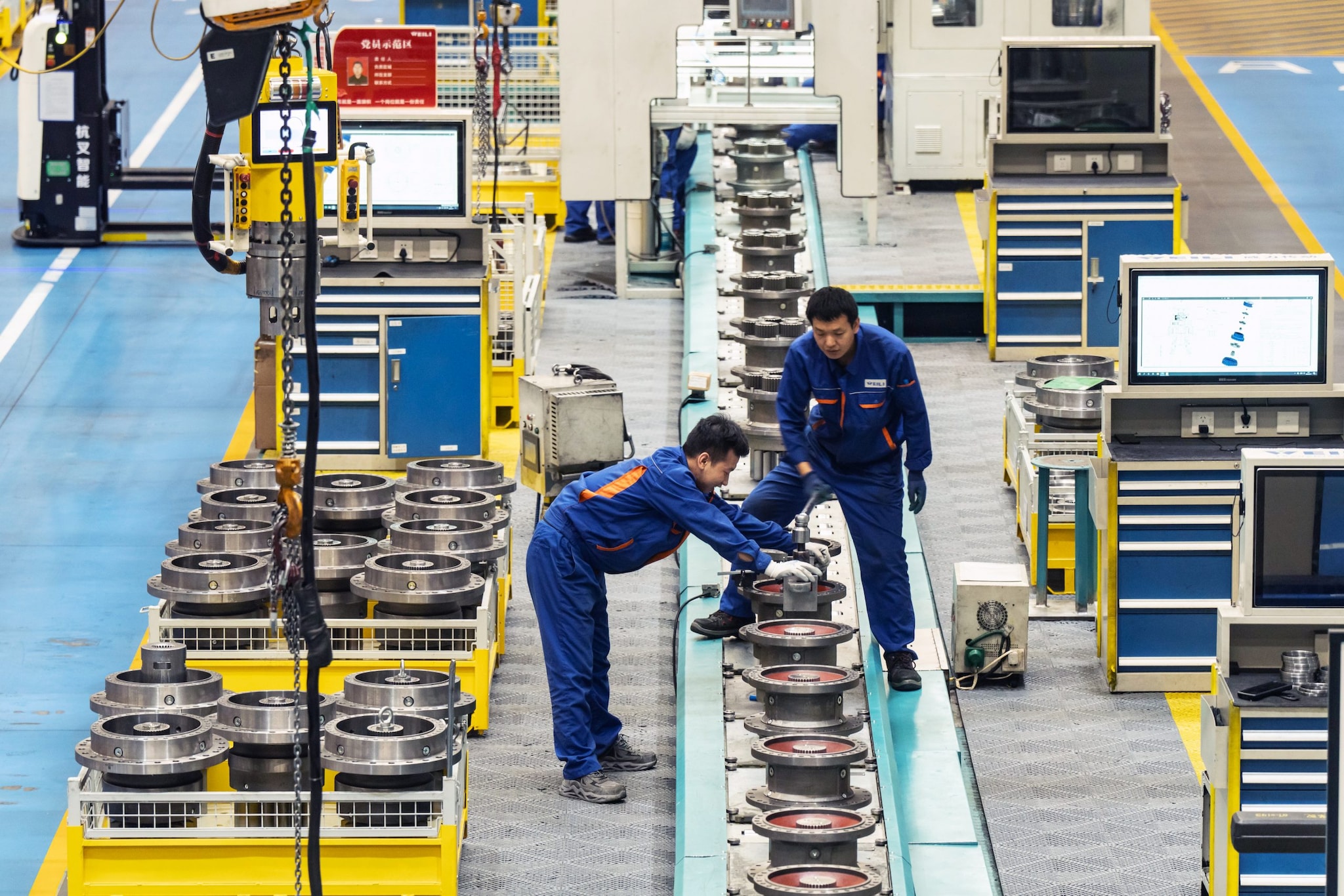
The Chinese manufacturers are the big winners here. Companies like BYD and MG didn't have to worry about "protecting" an existing internal combustion business. They went all-in on electric. When the Iran conflict pushed fuel prices up, they were ready with affordable, mass-produced models that the average Australian or Vietnamese worker could actually afford.
The "Legacy" brands are trying to catch up, but they are weighed down by their own history. Every dollar they spend on EV research is a dollar they aren't spending on the engines that still make up the bulk of their current profits. It is a classic innovator’s dilemma, sharpened by the reality of drone warfare and naval blockades.
The Geopolitical Insurance Policy
Looking at the data, the correlation between regional instability and EV adoption rates is becoming impossible to ignore. In months where Middle Eastern tensions escalate, web searches for "EV range" and "home charging installation" in Southeast Asia spike. This isn't a coincidence. It is a rational response to a perceived threat.
Governments are also recognizing that a fleet of electric vehicles acts as a massive distributed battery for the national grid. In a crisis, the ability to manage power usage across millions of vehicles is a strategic asset. You can’t "send back" petrol from a car's tank to the national reserve, but with Vehicle-to-Grid (V2G) technology, you can theoretically use cars to stabilize a faltering electrical network.
The Hidden Costs of the Shift
- Grid Strain: Existing electrical grids in countries like Vietnam were not designed for the simultaneous charging of millions of vehicles.
- Tax Revenue: Governments rely heavily on fuel taxes for road maintenance. As petrol sales drop, they will have to find new ways to tax drivers, likely through per-kilometer charges.
- Resale Uncertainty: The used car market for EVs is still a "Wild West." Buyers are terrified of a $15,000 battery replacement bill five years down the line.
Beyond the Hype
The narrative that EVs are purely "green" is a marketing simplification. The reality is that they are a tool of economic and geopolitical survival. In a world where the primary energy source for transportation is tied to one of the most volatile regions on Earth, the switch to electric is an exit strategy.
For the investigative eye, the story isn't about carbon emissions; it's about the decoupling of the Indo-Pacific from Middle Eastern instability. It is about a father in Sydney deciding that he would rather pay a higher monthly car loan than be at the mercy of a geopolitical flare-up ten thousand miles away.
The Iran conflict hasn't just changed the map of the Middle East; it has accelerated the end of the oil era in the East. The transition is messy, it's expensive, and it's full of new risks. But for many, the risk of doing nothing and remaining tethered to a burning oil well is far greater.
The next time you see a surge in EV sales, don't look at the environmental policy. Look at the headlines coming out of the Persian Gulf. The true driver of the electric revolution isn't a policy paper in Brussels; it's the threat of a closed strait and an empty tanker.
Stop looking for a "return to normal" in the fuel markets. The disruption is the new baseline. For the consumer, the manufacturer, and the state, the only rational move is to remove the variable that you cannot control. That variable is oil. The move to electric is not a trend; it is a retreat to higher, more stable ground. Calculate your own exposure to the next regional conflict, because the cost of waiting is only going to go up.