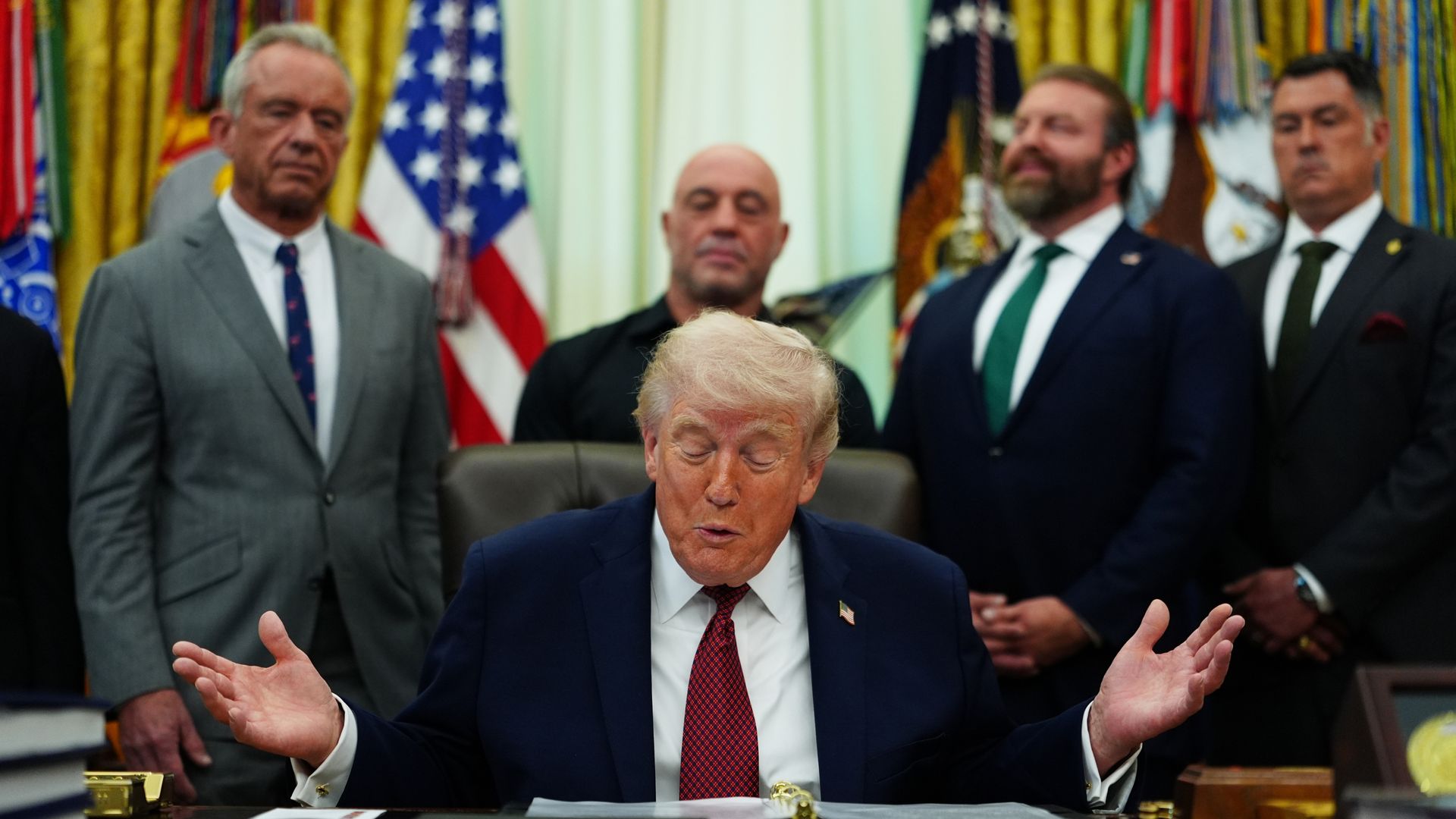
RFK Jr. wants to pull the plug on junk food commercials. The populist roar behind the idea is deafening. It feels good. It feels moral. It feels like "doing something" about the obesity epidemic that is currently strangling the American healthcare system.
But it’s a trap.
If you think banning television ads for sugary cereals and processed snacks will make America thin, you don't understand how markets work, and you definitely don't understand how the modern attention economy operates. By focusing on the "evil" of the 30-second spot, reformers are handing a massive competitive advantage to the very conglomerates they claim to be fighting.
The proposal isn't a strike against Big Food; it’s a moat that protects them.
The Myth of the Manipulated Consumer
The current argument rests on a lazy consensus: that the American consumer is a passive vessel, brainwashed into obesity by the flickering glow of a television screen. This narrative ignores thirty years of consumer psychology and the radical shift in how humans actually decide what to put in their mouths.
Television advertising is a legacy medium. It’s expensive, it’s inefficient, and it’s remarkably easy to ignore. When we talk about banning ads, we are fighting a war from 1995. The real battle for the American gut isn't happening during Saturday morning cartoons. It’s happening in the algorithmic feedback loops of TikTok, the calculated "store physics" of grocery aisle end-caps, and the hyper-local pricing strategies of food deserts.
Banning TV ads doesn't stop the demand for ultra-processed foods. It merely shifts the marketing budget. And in the world of corporate finance, shifted budgets go toward more insidious, less regulated, and far more effective channels.
The Billion Dollar Savings Account
Let’s look at the math. When a government bans an entire category of advertising, it doesn't hurt the profits of the industry leaders—it protects them.
Established brands like Coca-Cola, Oreo, and Doritos already have 100% brand recognition. They don't need to tell you what a Snickers bar is. They’ve already spent seventy years tattooing their logos onto the collective consciousness. A ban on advertising prevents a new, healthier, or more disruptive competitor from ever gaining the scale needed to challenge the giants.
If you can't buy ads, you can't build a brand from scratch. The ban freezes the market in its current state. It creates an environment where the incumbents—who already own the shelf space and the supply chains—no longer have to spend billions defending their territory against upstarts.
I’ve seen this play out in the tobacco industry. The Master Settlement Agreement and subsequent ad restrictions didn't kill Big Tobacco; it made them leaner and more profitable. They stopped wasting money on flashy billboards and started focusing on point-of-sale dominance and lobbying. They traded a "variable cost" (marketing) for a "fixed reality" (market dominance).
The Hidden Power of Price Elasticity
The "People Also Ask" crowd wants to know: "Will banning ads make food cheaper?"
Logic says yes. If a company stops spending $500 million on TV spots, they can lower the price of the product, right? Wrong. In the world of junk food, price is a tool of psychological warfare.
When you remove the cost of mass-market advertising, you increase the profit margin per unit. Big Food won't pass those savings to the consumer in the form of lower prices for "healthy" options. They will use that capital to subsidize the predatory pricing of their most addictive products in low-income neighborhoods.
We are talking about $P = MC$ (Price equals Marginal Cost) in a world where the marginal cost of a corn-syrup-based snack is near zero. If you remove the advertising overhead, you give these companies a larger war chest to win the price war at the register.
The Algorithmic Pivot
While RFK Jr. and the policy wonks are debating broadcast standards, the real "junk food ads" have already migrated.
Modern influence isn't a commercial; it's a "What I Eat In A Day" video from a creator who is subtly paid to feature a specific energy drink. It’s a "mukbang" streamer consuming 5,000 calories of fast food for a laughing audience. These are not "ads" in the legal sense. They are "content."
Banning TV ads is like trying to stop a flood by putting a Band-Aid on a leaky faucet while the dam behind you is bursting. The regulatory framework required to police "influencer marketing" or "native advertising" would require a level of digital surveillance that would make the NSA blush.
By pushing for a ban on TV ads, we are effectively telling Big Food to stop using the one medium that is actually transparent and regulated, and instead, move their entire budget into the "dark social" space where no one is watching the disclosures.
The Real Crisis: Store Physics and Subsidies
If you want to disrupt the status quo, stop looking at the screen and start looking at the floor.
The "physics" of a grocery store is more influential than any commercial. The height at which a product sits on a shelf, the "slotting fees" paid by major corporations to ensure their sugary cereal is at a child’s eye level, and the design of the checkout lane are the real drivers of consumption.
The industry insider secret is that TV ads are often just a "signal" to retailers. A brand buys a massive TV campaign not to convince you, but to convince the buyer at Kroger or Walmart that they are "supporting" the product, so the buyer grants them better shelf placement.
If we ban the ads, the companies will simply pay higher slotting fees. The same junk will be in the same places, and the consumer—who is already stressed, time-poor, and struggling with the biological imperatives of salt, sugar, and fat—will still reach for it.
The Failure of "Public Service" Counter-Ads
The "nuance" that the competitor article missed is the spectacular failure of the "Anti-Junk" campaign.
History shows that when the government tries to "unsell" a product, it often backfires. Remember the "This is your brain on drugs" campaign? It became a pop-culture meme that did nothing to lower addiction rates. When you create a forbidden fruit, you create a counter-culture.
True disruption doesn't come from banning the "bad." It comes from making the "good" hyper-competitive.
We subsidize corn. We subsidize soy. We subsidize the building blocks of the very food we are now trying to ban commercials for. It is the height of bureaucratic schizophrenia to pay a company to grow cheap corn, allow them to turn it into high-fructose corn syrup, and then tell them they aren't allowed to show a picture of the final product on television.
The Economic Reality of Local News
Here is the professional "heat" no one wants to talk about: Television ads for junk food effectively subsidize local journalism.
In many markets, the biggest spenders on local news broadcasts are fast food franchises and grocery chains. When you cut that revenue stream, you don't just "save the children." You starve the local news ecosystem.
Is the trade-off worth it? If we kill the local news to stop a McDonald's ad, we leave the door wide open for even more radicalized, unverified information to fill the void on social media. It’s a systemic ripple effect that the "ban everything" crowd refuses to acknowledge.
Stop Asking the Wrong Question
The question isn't "Should we ban junk food ads?"
The question is "Why is the healthy option consistently the most difficult and expensive choice for the average American?"
Banning an ad is a cosmetic fix for a structural rot. It allows politicians to claim a win without actually tackling the agricultural subsidies, the urban planning disasters that created food deserts, or the wage stagnation that makes a $5 "value meal" the only logical economic choice for a working parent.
If you ban the ads, the calories will still find a way. They’ll just do it in the dark, with higher margins for the producers and less transparency for the public.
Stop cheering for the ban. Start demanding the removal of the subsidies that make the junk possible in the first place. Anything else is just theater.
The giants of the food industry aren't afraid of your ban. They’ve already budgeted for it.
Mic drop.