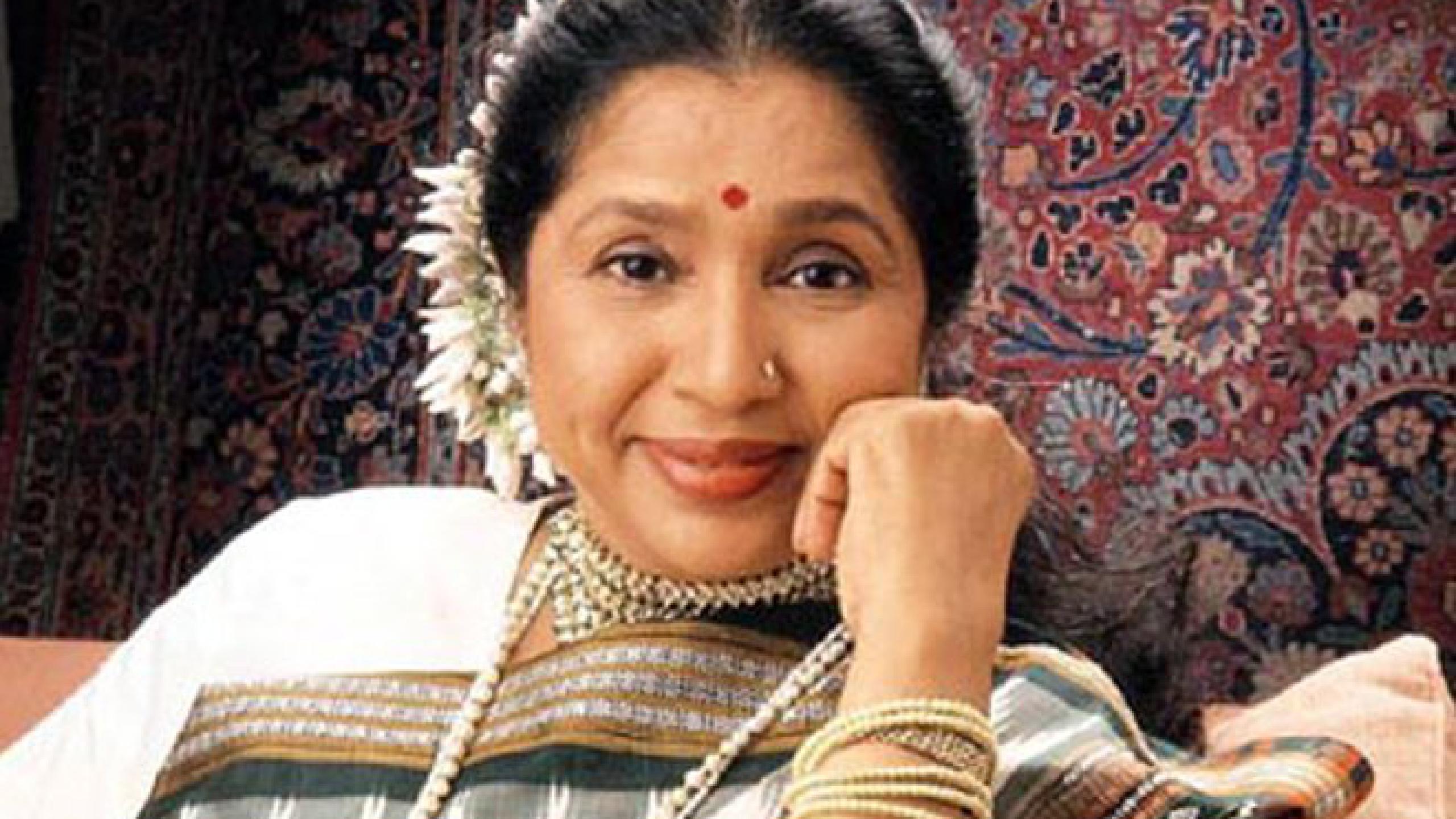
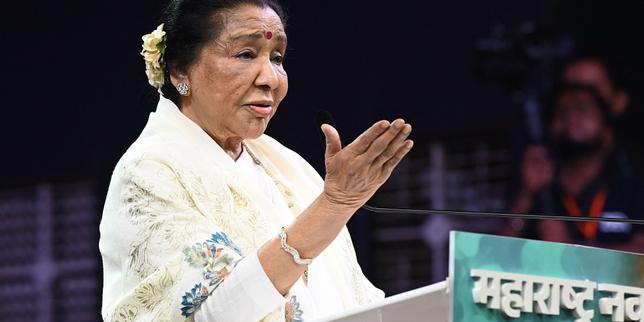
The world sounds a lot quieter today. Asha Bhosle, the woman whose voice defined the emotional landscape of India for nearly eight decades, has passed away at 92. It’s hard to wrap your head around a loss like this because she didn’t just sing songs. She provided the soundtrack to every mood a billion people ever had. Whether it was the flirtatious "Piya Tu Ab To Aaja," the soulful "Chura Liya Hai Tumne Jo Dil Ko," or the thousands of devotional tracks that played in homes every morning, Asha was there.
She wasn't just a singer. She was a survivor. To understand her impact, you have to look past the record-breaking numbers. You have to look at how she carved out a space in an industry that already had a queen—her own sister, Lata Mangeshkar.
The Versatility That Changed Everything
Most people don't realize how difficult it was for Asha to find her footing early on. In the 1950s, the "ideal" female voice in Indian cinema was pure, thin, and almost celestial—a style perfected by Lata. Asha was handed the scraps. She got the songs for the "vamps," the dancers, and the supporting characters.
Instead of fading away, she turned that limitation into her greatest strength. She developed a range that nobody else could touch. She brought a certain grit and sensuality to her performances that the industry hadn't seen before. While other singers stayed in their lane, Asha was experimenting with jazz, pop, and even rock influences in the 60s and 70s.
Her collaboration with R.D. Burman is legendary for a reason. They broke the rules. They introduced western beats and syncopated rhythms to traditional Bollywood structures. If you listen to "Dum Maro Dum," you aren't just hearing a song. You're hearing a revolution in how Indian music could sound. She didn't care about being the "proper" playback singer. She cared about the character. She breathed life into every note.
Breaking Down the Guinness World Record
You've probably heard she holds the Guinness World Record for the most studio recordings in music history. It’s a staggering number—thousands of songs across more than 20 languages. But think about the stamina that requires. We aren't talking about modern digital recording where you can fix a flat note with a click.
In her prime, Asha was recording live with a full orchestra. If a violinist messed up, they started over. If she breathed too loudly, they started over. To maintain that level of precision and emotional depth across sixty years is unheard of. It’s an athletic feat as much as an artistic one.
She recorded over 11,000 solo, duet, and chorus-backed songs. From Hindi and Marathi to Russian and English, she never let a language barrier stop her. She even collaborated with Boy George and the Kronos Quartet. She was constantly moving. She never got stuck in the past, even as she became a living legend.
The Rivalry That Wasn't
The media loved to pit Asha against Lata. They wanted a story of two sisters at war for the top spot. While there were certainly periods of professional tension—how could there not be when you're both the best in the world?—the narrative of a "feud" misses the point.
They were two sides of the same coin. Lata was the soul of India, but Asha was its heartbeat. Lata represented the divine; Asha represented the human. Asha’s voice had a texture that felt real. It had a "kharaash" or a slight huskiness at times that made her feel relatable. You didn't just admire her singing; you felt like she was singing for you.
She dealt with personal tragedies and professional hurdles that would've broken most people. She raised children as a single mother while maintaining one of the most demanding careers in the world. She didn't complain. She just worked.
What Music Loses Today
Losing Asha Bhosle means losing the last direct link to the Golden Age of playback singing. Today’s music relies heavily on processing and auto-tune. The personality of the singer is often buried under production. Asha was all personality. You knew it was her from the first syllable.
She also understood the "acting" part of playback singing. She would ask which actress was performing the song on screen. She’d mimic their breathing patterns or their specific way of speaking. When she sang for Helen, she sounded like a cabaret star. When she sang for Rekha in Umrao Jaan, she sounded like a heartbroken poet. That level of detail is rare now.
Her Business Savvy and Beyond
Asha wasn't just a voice. She was a brand. She launched a successful chain of restaurants, "Asha’s," which spread from Dubai to the UK. She knew that her legacy could exist outside the recording studio. She was an incredible cook—legend has it that many Bollywood stars would show up at her house just for the fish curry.
This multi-faceted life is what made her so enduring. She wasn't a relic. She was a modern woman who happened to be born in 1933. She used social media to connect with younger fans. She sat on judging panels for singing competitions and gave honest, sometimes blunt, advice to the next generation. She didn't sugarcoat the reality of the industry.
How to Honor Her Legacy
If you want to understand why India is mourning today, don't just read the headlines. Go back to the music. But don't just stick to the hits.
Start by listening to her Ghazals. Most people associate her with high-energy dance tracks, but her work in Umrao Jaan (1981) is a masterclass in restraint. Listen to "Dil Cheez Kya Hai." The way she holds the notes, the subtle vibrato, and the sheer longing in her voice will tell you more about her talent than any biography could.
Next, check out her non-film albums. Her work with Leslie Lewis in the 90s, like "Janat," showed she could dominate the Indipop scene just as easily as she did Bollywood. She was always willing to reinvent herself.
Asha Bhosle’s death is the end of an era, but her voice is literally woven into the DNA of Indian culture. It’s impossible to imagine a wedding, a festival, or a rainy afternoon without her. She taught us that you don't have to be the first choice to be the best choice. You just have to be too good to ignore.
Go put on a pair of headphones. Pick a decade—any decade from the 50s to the 2010s. Find an Asha Bhosle track. Turn the volume up. That’s how you remember a legend who never knew how to stay quiet.