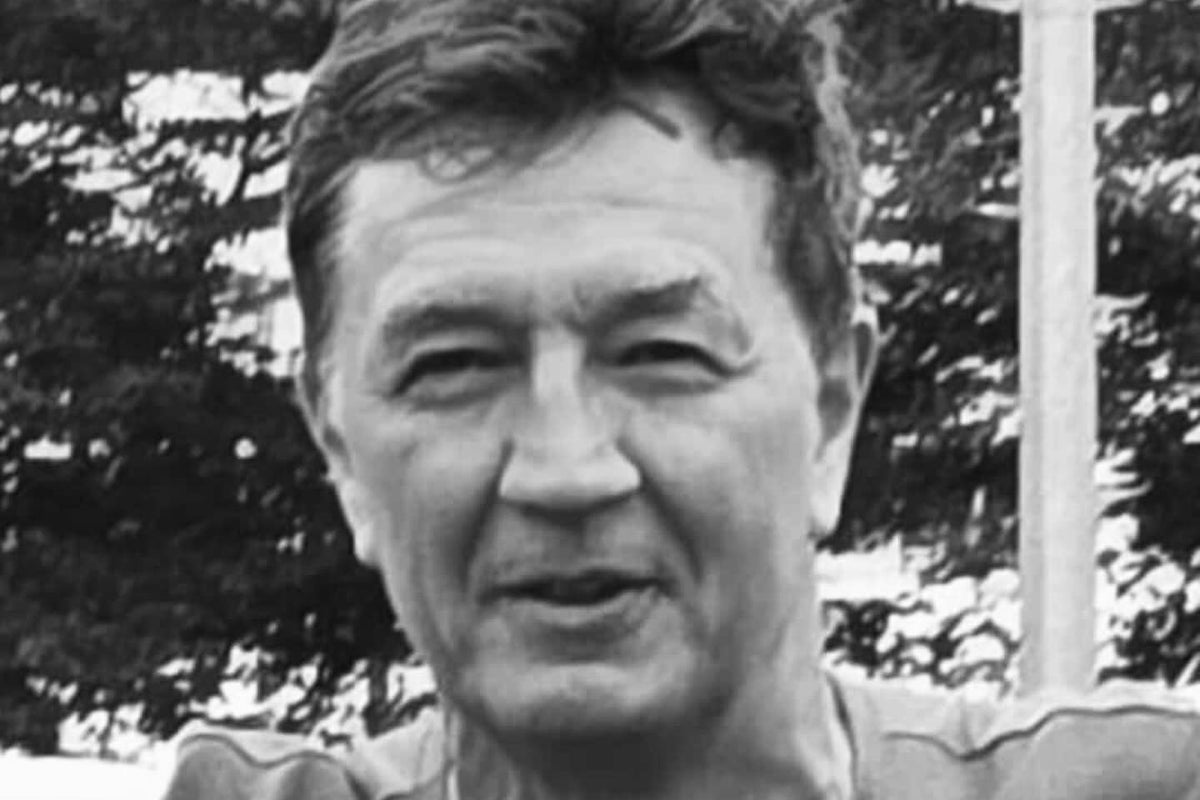
The air in Accra does not just sit; it vibrates. It carries the scent of roasted maize, the salt of the Atlantic, and the heavy, electric weight of expectation. In Ghana, football is not a pastime. It is a shared pulse. When the national team, the Black Stars, falters, the entire country feels a collective arrhythmia. So, when the news broke that Carlos Queiroz—a man whose face is etched with the lines of a thousand tactical battles—had been named head coach just months before the World Cup, the vibration changed. It shifted from a low hum of anxiety to a sharp, inquisitive frequency.
Queiroz is not a man of grand, romantic gestures. He is a man of the blueprint. He is the architect who arrives at a crumbling heritage site with a hard hat and a level, unimpressed by the ghosts of past glory. For Ghana, a nation that prides itself on flair, rhythm, and the "Brazilian" soul of African football, his appointment represents a jarring, perhaps necessary, collision with reality.
The problem was never a lack of talent. It was the chaos.
The Ghost in the Machine
Imagine a Ferrari engine being tuned by a committee that cannot agree on the type of fuel to use. That has been the recurring tragedy of Ghanaian football in recent cycles. Brilliant individual components—players who light up the Premier League and the Bundesliga—arriving at camp only to find a structure that feels like it was assembled in a hurry.
Queiroz does not do "hurry."
He is the man who helped Sir Alex Ferguson turn Manchester United into a defensive monolith. He is the man who dragged Iran to three World Cups, turning a group of underdogs into a team that was nearly impossible to break down. He views a football pitch the way a grandmaster views a chessboard: not as a place for individual expression, but as a series of coordinates that must be controlled.
To understand why this matters for Ghana, you have to look at the scars of their recent campaigns. There is a specific kind of heartbreak that comes from losing not because you were outclassed, but because you were disorganized. It is the defensive lapse in the 89th minute. It is the missed assignment on a corner kick. It is the sense that the players are eleven islands rather than a continent.
Queiroz arrives to build the bridges.
The Cost of Discipline
There is an old story about Queiroz during his time with the Portuguese national team. He once spent an entire training session moving a defender three inches to the left. Just three inches. To the player, it felt like pedantry. To Queiroz, those three inches were the difference between a clean sheet and a flight home.
Will the Ghanaian stars, accustomed to the creative freedom that defines their identity, submit to this level of micromanagement?
It is a gamble. A massive one.
The invisible stakes are found in the locker room. Football at this level is a psychological war. A coach like Queiroz doesn't just bring a playbook; he brings a culture of accountability. In his world, if you don't track back, you don't play. It doesn't matter if your name is etched in gold back home. This friction—between the traditional "Black Stars" flair and the "Queiroz" pragmatism—will be the defining story of their World Cup journey.
Consider a hypothetical young midfielder, 21 years old, playing in his first tournament. He wants to beat three men and slide a no-look pass. He wants the roar of the crowd. But Queiroz is in his ear, demanding he hold his position, stay goal-side, and simplify his game. This is the human tension of the appointment. It is the sacrifice of the ego for the sake of the unit.
The Logic of the Outsider
Why an outsider? Why now?
The Ghana Football Association found itself in a corner. The domestic options were exhausted by the weight of local politics, and the previous European experiments lacked the specific "tournament DNA" required for the World Cup. Queiroz is a specialist. He is a mercenary in the best sense of the word—a professional hired to do a specific, difficult job under an impossible deadline.
He brings a data-driven approach that many in the traditional Ghanaian setup might find cold. He looks at heat maps, recovery times, and transitional probabilities.
- Statistical Reality: Under his tenure with Iran, the team conceded fewer goals per game than almost any other side in their confederation.
- Tactical Truth: He prioritizes a "low block" that frustrates superior opponents, forcing them into mistakes.
- The World Cup Factor: He has managed in more World Cup matches than the last three Ghana coaches combined.
This isn't about teaching Ghanaians how to play football; they already know how to do that better than almost anyone. This is about teaching them how to survive a tournament.
The Weight of the Star
Every time a Ghana player puts on that white jersey with the black star in the center, they are carrying the hopes of 33 million people. It is a heavy shirt. In the past, that weight has sometimes led to a frantic style of play—a desperate urge to score, to please, to conquer—that leaves the back door wide open.
Queiroz is the lock on that door.
His appointment is a confession of sorts. It is an admission by the Ghanaian authorities that "Jogo Bonito" is not enough to win in the modern era. You need the grit. You need the boredom of a perfectly executed 0-0 draw that sets you up for a 1-0 win in the next round.
It is easy to love a team that plays with reckless abandon. It is harder to love a team that wins ugly. But for the fans in Kumasi and Tamale, the beauty of the play has begun to matter less than the results on the board. They have seen enough beautiful exits. They are ready for a disciplined march.
The Quiet Before the Storm
In the coming weeks, the training camps will be quiet. Queiroz prefers it that way. There will be no circus, no distractions. There will be repetitive drills. There will be video analysis that lasts into the early hours of the morning.
The players will be exhausted, not just physically, but mentally. Learning a new language of movement in such a short window is like trying to rewrite your own DNA while running a marathon. But there is a specific kind of confidence that grows from this exhaustion. It is the confidence of knowing exactly where your teammate is going to be without having to look.
The world expects Ghana to be the entertainers. Queiroz expects them to be the spoilers.
There is a moment right before a match starts, when the anthem has faded and the referee is checking his watch, where everything feels possible. For Ghana, that moment now feels different. It feels sterner. It feels like the work of a man who understands that in the World Cup, you don't get what you deserve; you get what you take.
As the sun sets over the Gulf of Guinea, the architect is already at work. He isn't looking at the sunset. He is looking at the pitch, measuring the grass, and calculating the exact angle of the wind.
The Black Stars are no longer just playing for glory. They are playing for a man who doesn't believe in luck.
The whistle blows. The blueprint is open.