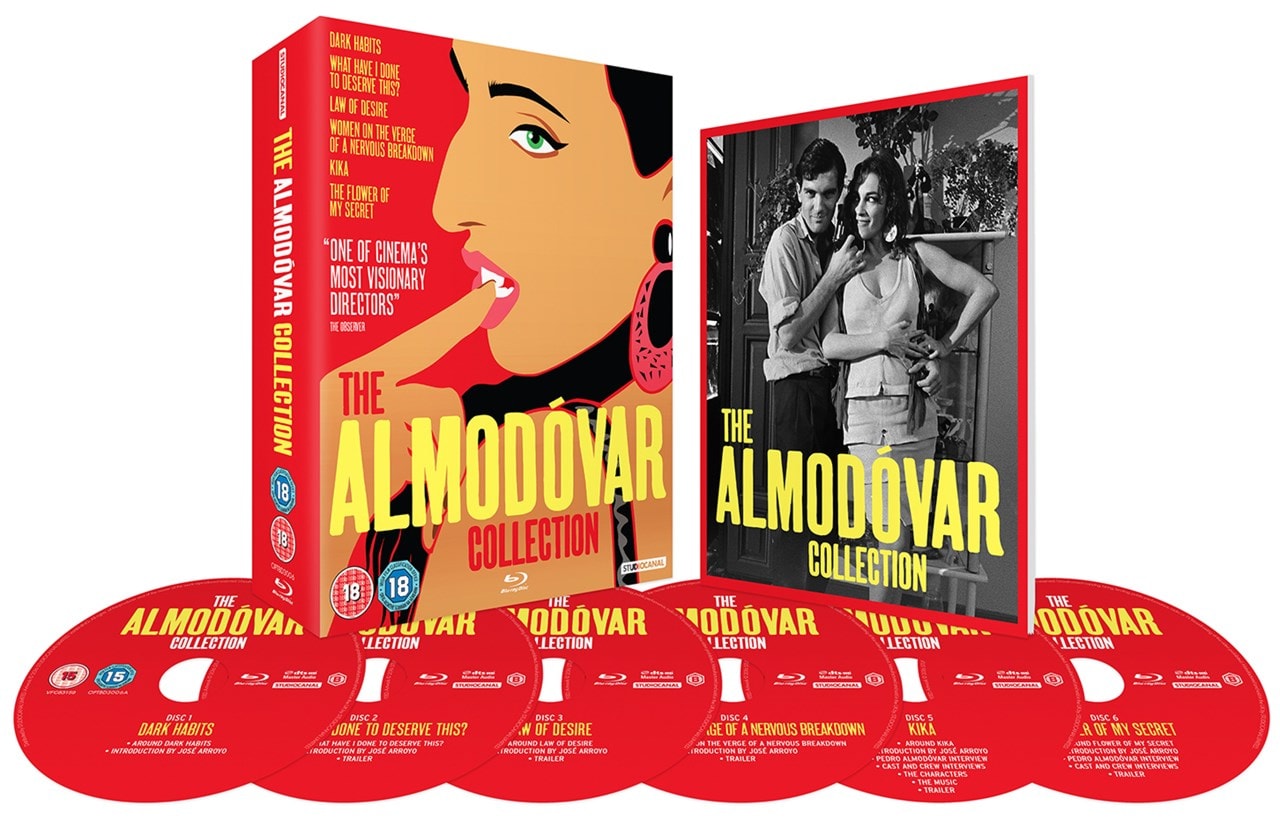
The modern film industry operates on a ledger where morality is often treated as a negotiable line item. When Pedro Almodóvar recently disclosed his refusal to accept Saudi Arabian investment for his projects, he wasn't just making a personal choice. He was drawing a line in the sand that most of his contemporaries have already crossed. While major studios and independent auteurs alike scramble for the deep pockets of the Public Investment Fund (PIF), Almodóvar’s public rejection serves as a blunt reminder of the friction between creative freedom and the geopolitics of "sportswashing" and "culture-washing."
The veteran Spanish director isn't interested in being a mascot for a regime's rebranding. His refusal highlights a growing schism in global cinema. On one side stands the desperate need for capital in a post-theatrical world. On the other stands the integrity of stories that, by their very nature, would be illegal in the countries funding them.
The Financial Trap of New Silk Road Cinema
Funding for high-end cinema has shifted. The traditional European subsidies and American mid-budget investors are retreating, replaced by massive sovereign wealth funds looking for legitimacy. Saudi Arabia, through entities like the Red Sea International Film Festival, has poured hundreds of millions into the global circuit. They aren't just looking for a return on investment. They want the prestige that comes with the Cannes red carpet and the Oscar stage.
Almodóvar’s stance is a rare interruption of this trend. For a filmmaker whose body of work celebrates queer identity, female agency, and the dismantling of religious and state repression, the conflict is fundamental. You cannot take money from a system that penalizes the very existence of your protagonists without engaging in a profound level of cognitive dissonance.
The industry usually handles this through a process of quiet compartmentalization. Producers argue that the money is "green" and that art can bridge cultural divides. This is a convenient fiction. When a state fund invests in a slate of films, they gain soft power. They become the patrons of the arts, effectively silencing potential critics within the creative community. Almodóvar sees the trap. He understands that the moment you cash the check, your ability to speak with a clear voice about human rights or personal liberty is compromised.
The Oscar Myth and the Death of the Political Statement
The Academy Awards have become a sterile environment. Almodóvar’s critique of the "apolitical" Oscars reflects a broader frustration with how Hollywood manages its image. The awards have shifted from a platform for genuine cultural discourse to a tightly managed corporate branding exercise.
The fear of alienating global markets—specifically those in the Middle East and China—has scrubbed the ceremony of its teeth. We see a paradoxical situation where the films themselves might tackle "important" social issues, yet the ceremony and the industry surrounding it remain terrified of naming the systems responsible for those issues.
The Mechanism of Modern Censorship
It is rarely about a censor sitting in a room with a red pen. Modern censorship is financial and preemptive. It happens in the development phase.
- Self-Censorship: Writers avoid themes that might trigger a "sensitivity review" from a state-backed financier.
- Market Exclusion: Projects are greenlit based on their ability to play in restrictive territories without edits.
- The Prestige Buffer: Using legendary names to mask the underlying source of the capital.
When Almodóvar speaks about the Oscars becoming apolitical, he is talking about the erasure of the "angry" artist. The industry now prefers the "grateful" artist—the one who thanks the sponsors and stays within the lines. By refusing Saudi money, he preserves his right to be inconvenient.
Why the Resistance is Shrinking
The reality for most filmmakers is far grimmer than it is for Almodóvar. He has the luxury of a lifetime of success and a brand that guarantees a certain level of European funding. A first-time director from Italy or a documentary filmmaker from Brazil doesn't have that leverage. If the only path to getting a film made involves a state fund with a checkered human rights record, most will take it.
This creates a tiered system of morality. The elites can afford to have principles, while the rising class must compromise just to exist. This disparity is what allows the "culture-washing" to work so effectively. It targets the vulnerable points of the production chain.
We are witnessing a wholesale buyout of the infrastructure of prestige. It isn't just the films; it’s the festivals, the trade publications, and the distribution networks. When you control the pipes, you control what flows through them. Almodóvar’s "no" is a solitary voice against a deafening chorus of "yes."
The Illusion of the Global Village
The argument for accepting these funds often centers on the idea of "engagement." The theory suggests that by bringing Western cinema to Riyadh, or by funding Arab filmmakers, we are helping to liberalize those societies.
This is a fundamental misunderstanding of how power works. The regimes aren't being changed by the movies; the movies are being used to change the perception of the regimes. It is an exercise in brand management on a national scale. Almodóvar’s rejection strips away this veneer of mutual progress. He recognizes that you cannot "engage" with a checkbook that has strings attached to the very ink.
The industry’s move toward "apolitical" stances is actually a deeply political choice. It is a choice to prioritize market access over the core values that cinema once claimed to represent. When the Oscars avoid the "uncomfortable," they aren't being neutral. They are being compliant.
The Cost of the Clean Break
There is a practical price for this kind of integrity. In an era of ballooning production costs and the collapse of the DVD market, every million dollars refused is a scene that can't be shot or a day of editing that gets cut. Almodóvar’s latest work, including his move into English-language features, requires a different kind of financial machinery.
By shunning the easiest source of capital, he forces himself—and his producers—into a more difficult path. It involves cobbling together smaller pieces of financing, dealing with the whims of streaming giants, and maintaining a lean operation.
Comparison of Funding Models
| Funding Source | Accessibility | Creative Control | Ethical Implications |
|---|---|---|---|
| Sovereign Wealth Funds | High (Deep pockets) | Low (Hidden stipulations) | Significant (Reputational risk) |
| Traditional Studios | Medium | Low (Commercial pressure) | Variable |
| European Subsidies | Low (Heavy bureaucracy) | High | Minimal |
| Independent Equity | Very Low | High | Minimal |
This table illustrates the dilemma. The "easiest" money is the most dangerous for an artist who values their voice. The "hardest" money is the only kind that allows for the type of cinema Almodóvar creates—cinema that is messy, sexual, political, and unrepentant.
The Future of the Disobedient Director
If more filmmakers don't follow this lead, we will move into an era of "Sanitized Globalism." Films will look beautiful, they will feature A-list stars, and they will say absolutely nothing that could offend a benefactor. They will be technically perfect and spiritually empty.
Almodóvar’s defiance isn't just about Saudi Arabia. It is about the soul of the medium. It is a demand that cinema remains a space for provocation rather than a tool for diplomatic PR. The "apolitical" path is a descent into irrelevance.
The industry is currently betting that the public doesn't care where the money comes from. They believe that as long as the red carpet is long enough and the flashes are bright enough, the source of the wealth remains invisible. Almodóvar just turned the lights on.
The question isn't whether one director can change the flow of billions of dollars. He can't. The question is whether his refusal makes it impossible for everyone else to keep pretending they don't see the price of their own silence. Power in the film industry has always been about who owns the final cut, but today, the more important question is who owns the person holding the scissors.


